
The Best Perennials for Zone 6 Gardens (Tested at 19 Birch Lane)
Creating a beautiful, long-lasting garden in USDA Planting Zone 6 starts with choosing the right plants. Cold winters, freeze–thaw cycles, late springs, and coastal weather all demand truly cold-hardy perennials that return year after year.
At 19 Birch Lane, a botanical garden in Mid Coast Maine (Zone 6a), our gardens serve as a real-world testing ground. Every perennial we grow must survive Maine winters, perform reliably, and contribute to a landscape designed for beauty in every season.
This guide is our pillar post for gardeners looking for the best perennials for Zone 6 gardens—all grown, tested, and proven at 19 Birch Lane.
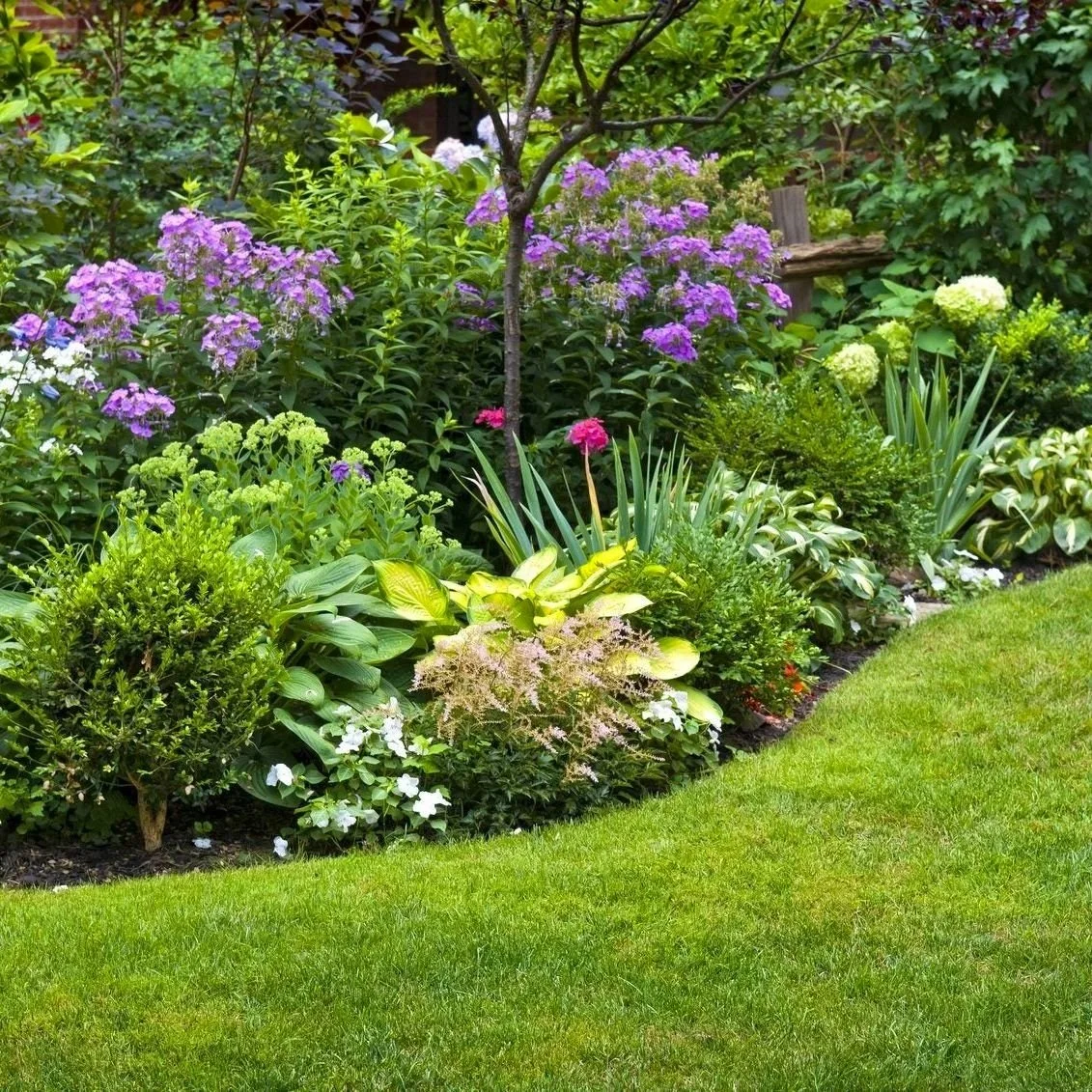
Picking the best perennials for your garden is key to your long-term success.
Table of Contents
Why Perennials Matter in Zone 6
How We Test Perennials at 19 Birch Lane
Best Perennials for Zone 6 (Plant-by-Plant Guide)
Bloom Time & Sun Exposure at a Glance
How to Design a Cold-Hardy Perennial Garden
Related Garden Guides from 19 Birch Lane
Why Perennials Matter in Zone 6 Gardens
Perennials form the structural backbone of any successful garden—especially in colder climates. The best perennials for Zone 6:
Survive winter temperatures well below freezing
Return reliably without replanting
Bloom consistently despite weather fluctuations
Improve with age rather than decline
Choosing cold hardy garden plants reduces maintenance, increases long-term beauty, and allows gardeners to focus on thoughtful design rather than constant replacement.
👉 Seed Starting in Zone 6 at 19 Birch Lane
How We Test Perennials at 19 Birch Lane
Every perennial listed here has been:
Grown in open garden beds at 19 Birch Lane
Exposed to real Maine winters (no babying)
Evaluated for longevity, bloom quality, and resilience
Integrated into formal borders, woodland gardens, and pond-side plantings
If a plant doesn’t perform consistently in Zone 6a, it doesn’t earn a permanent place.
👉 How We Design Garden Rooms at 19 Birch Lane
The Best Perennials for Zone 6 (Tested & Proven)
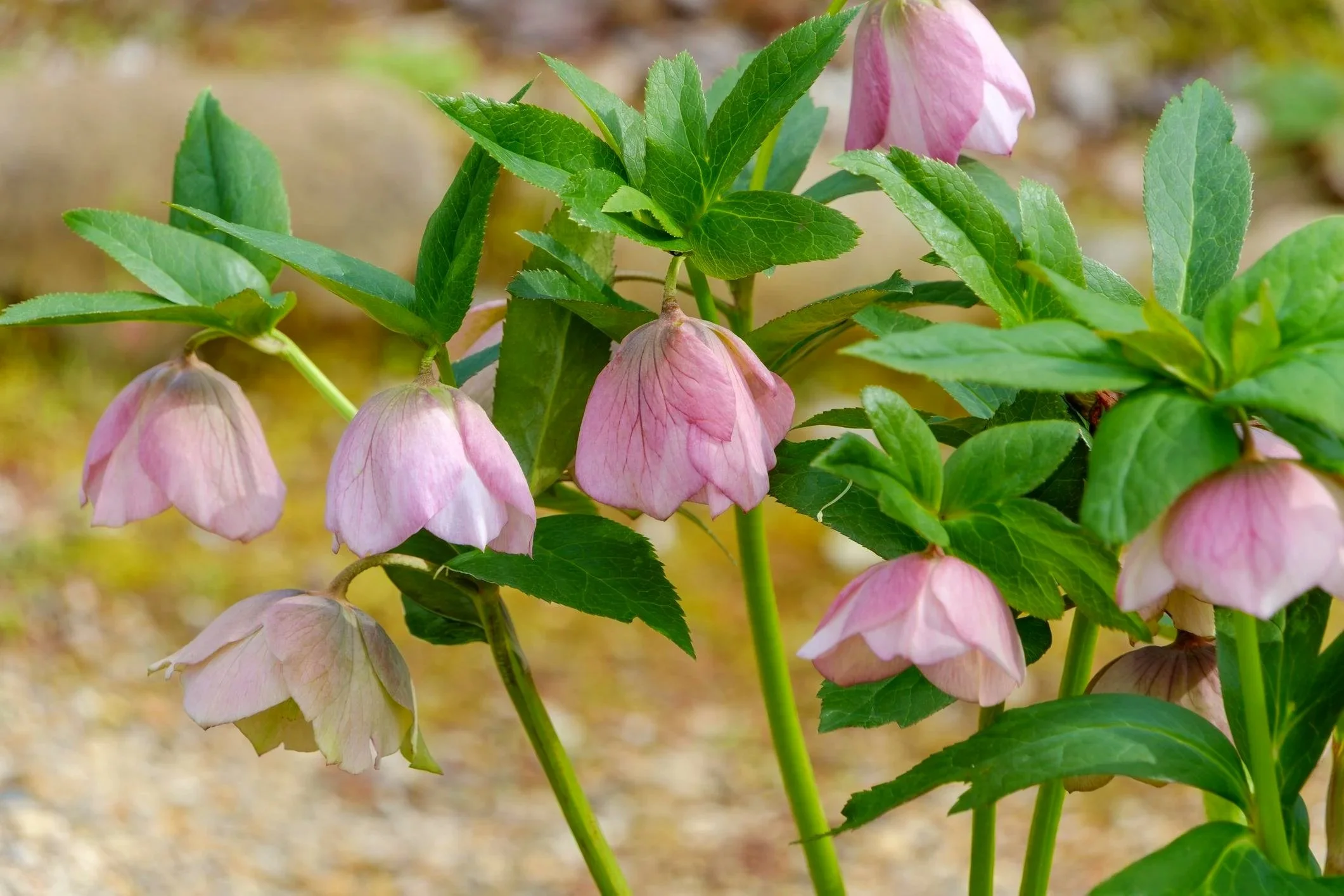
Hellebores
Hellebores can add a pop of color to your garden in the spring.
Hellebores (Lenten Rose)
Bloom Time: Late winter–early spring
Sun: Partial shade
Why They Thrive: Exceptionally cold hardy and one of the earliest blooming perennials. Hellebores anchor our shade gardens and provide winter-to-spring interest.
👉 Growing Hellebores in Zone 6
Peonies
Bloom Time: Late spring–early summer
Sun: Full sun
Why They Thrive: Peonies require winter cold to bloom well, making them one of the best perennials for Maine gardens.
Delphiniums
Bloom Time: Early–mid summer
Sun: Full sun
Why They Thrive: Cool nights and moderate summers help delphiniums flourish in Zone 6, producing dramatic vertical color.
👉 Seed Starting Delphiniums Indoors
Coneflowers (Echinacea)
Bloom Time: Summer–early fall
Sun: Full sun
Why They Thrive: Extremely hardy, drought tolerant, and a pollinator magnet. A staple in cold-hardy perennial gardens.
Coreopsis
Bloom Time: Early summer–fall
Sun: Full sun
Why They Thrive: Long-blooming and cheerful, coreopsis performs reliably even in challenging weather.
Columbine (Aquilegia)
Bloom Time: Late spring
Sun: Part sun
Why They Thrive: Ideal for woodland edges and transitional spaces. Self-sows gently and thrives in cool climates.
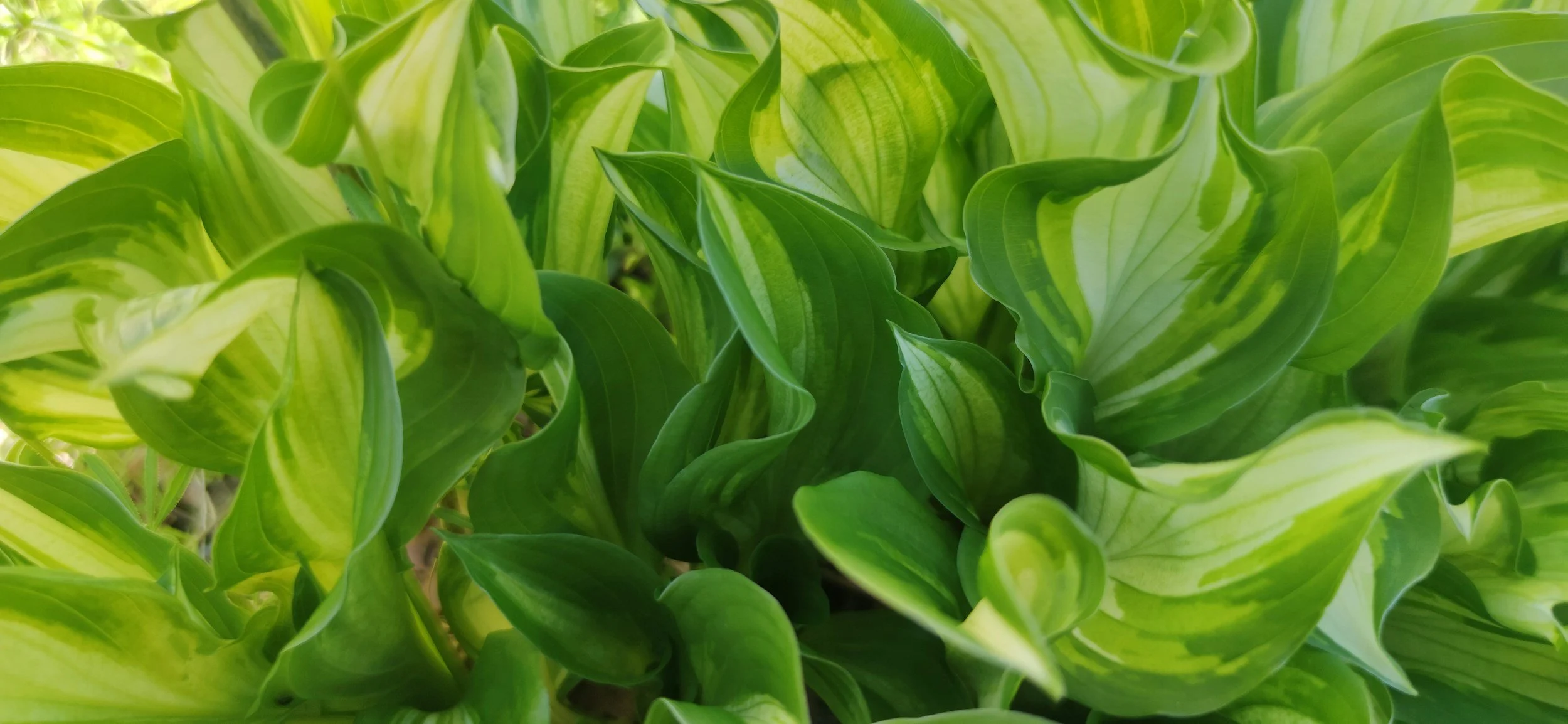
Hostas
Hostas are the perfect plant to add to any shade garden with so many types to choose from it can sometimes be hard.
Hostas
Bloom Time: Summer (grown for foliage)
Sun: Shade–part shade
Why They Thrive: One of the most reliable shade perennials for Zone 6, offering texture and structure.
Ferns (Various Varieties)
Bloom Time: Foliage interest
Sun: Shade–part shade
Why They Thrive: Love Maine’s moisture and cooler temperatures, perfect for woodland and pond gardens.
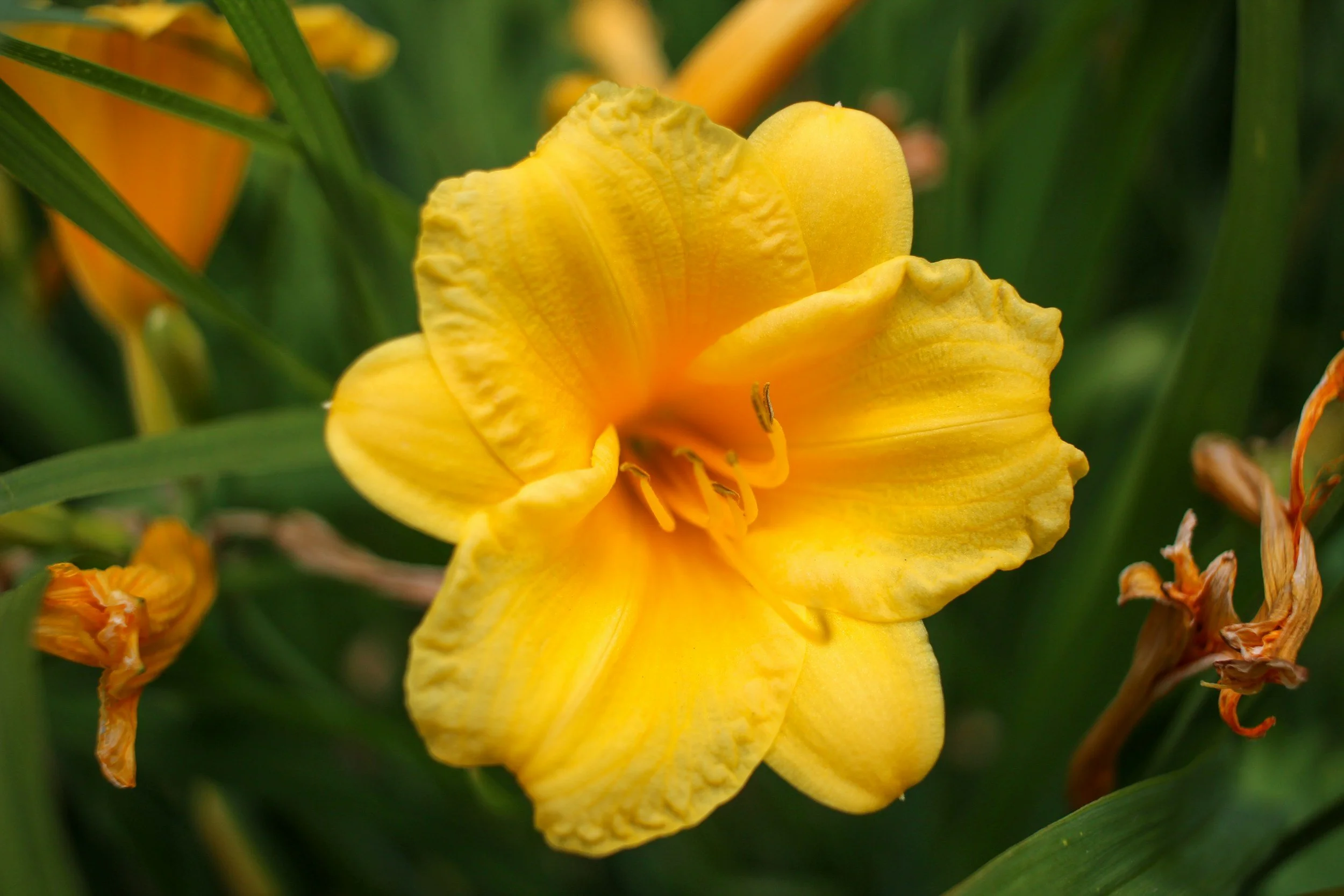
Daylilies
With so many colors to choose from why pick just one :)
Daylilies
Bloom Time: Early–mid summer
Sun: Full sun–part sun
Why They Thrive: Nearly indestructible and highly adaptable, ideal for low-maintenance Zone 6 gardens.
Lavender (Cold-Hardy Varieties)
Bloom Time: Early–mid summer
Sun: Full sun
Why They Thrive: With excellent drainage, cold-hardy lavenders perform beautifully in Maine.
👉
Astilbe
Bloom Time: Early–mid summer
Sun: Part shade
Why They Thrive: Perfect for moist soils and cooler climates, producing elegant plumes.
Russian Sage
Bloom Time: Mid–late summer
Sun: Full sun
Why They Thrive: Cold-hardy, drought tolerant, and excellent for movement and texture.
Sedum (Stonecrop)
Bloom Time: Late summer–fall
Sun: Full sun
Why They Thrive: Provides late-season color and winter structure—essential for four-season gardens.
Bloom Time & Sun Exposure at a Glance
Early Spring: Hellebores
Late Spring: Columbine, Peonies
Summer: Delphiniums, Coreopsis, Coneflowers, Astilbe
Late Summer–Fall: Sedum, Russian Sage
Shade Gardens: Hellebores, Hostas, Ferns, Astilbe
Full Sun Borders: Peonies, Delphiniums, Lavender, Sedum
👉 Internal link opportunity:
Designing a Four-Season Garden in Zone 6
How to Design a Cold-Hardy Perennial Garden in Maine
For lasting success in Zone 6:
Layer early, mid, and late bloomers
Combine perennials with evergreen structure
Choose plants that prefer cold winters
Prioritize drainage to prevent winter rot
This approach creates gardens that mature gracefully rather than peak briefly.
AGarden Design Living Perennial Guide for Zone 6 Gardeners
This post serves as the foundation for our Zone 6 gardening content at 19 Birch Lane. Each plant here will eventually link to deeper, individual guides—creating a web of knowledge rooted in real experience.
If you’re searching for the best perennials for Zone 6 gardens or cold hardy plants for Maine, start with plants that have already proven themselves—season after season, winter after winter.
🌿
Follow in the garden at 19 Birch Lane for more Zone 6 plant guides, seed-starting advice, and behind-the-scenes looks at our botanical gardens.