
Daylilies in the Garden: Growing, Dividing, and Collecting One of the Best Perennials for Zone 6
In the Garden at 19 Birch Lane, Mid Coast Maine
There are few perennials as dependable, colorful, and rewarding as daylilies.
At 19 Birch Lane, daylilies have become an important part of our evolving botanical gardens—not only for their incredible range of colors and bloom forms, but also for their toughness, adaptability, and ability to create waves of summer color throughout the landscape.
If you’re searching for:
How to grow daylilies
Best daylily varieties for Zone 6
When to divide daylilies
Or the best low-maintenance flowering perennials for Maine gardens
This guide covers everything we’ve learned growing and collecting daylilies here in Mid Coast Maine.
Why Daylilies Are One of the Best Perennials for Zone 6 Gardens
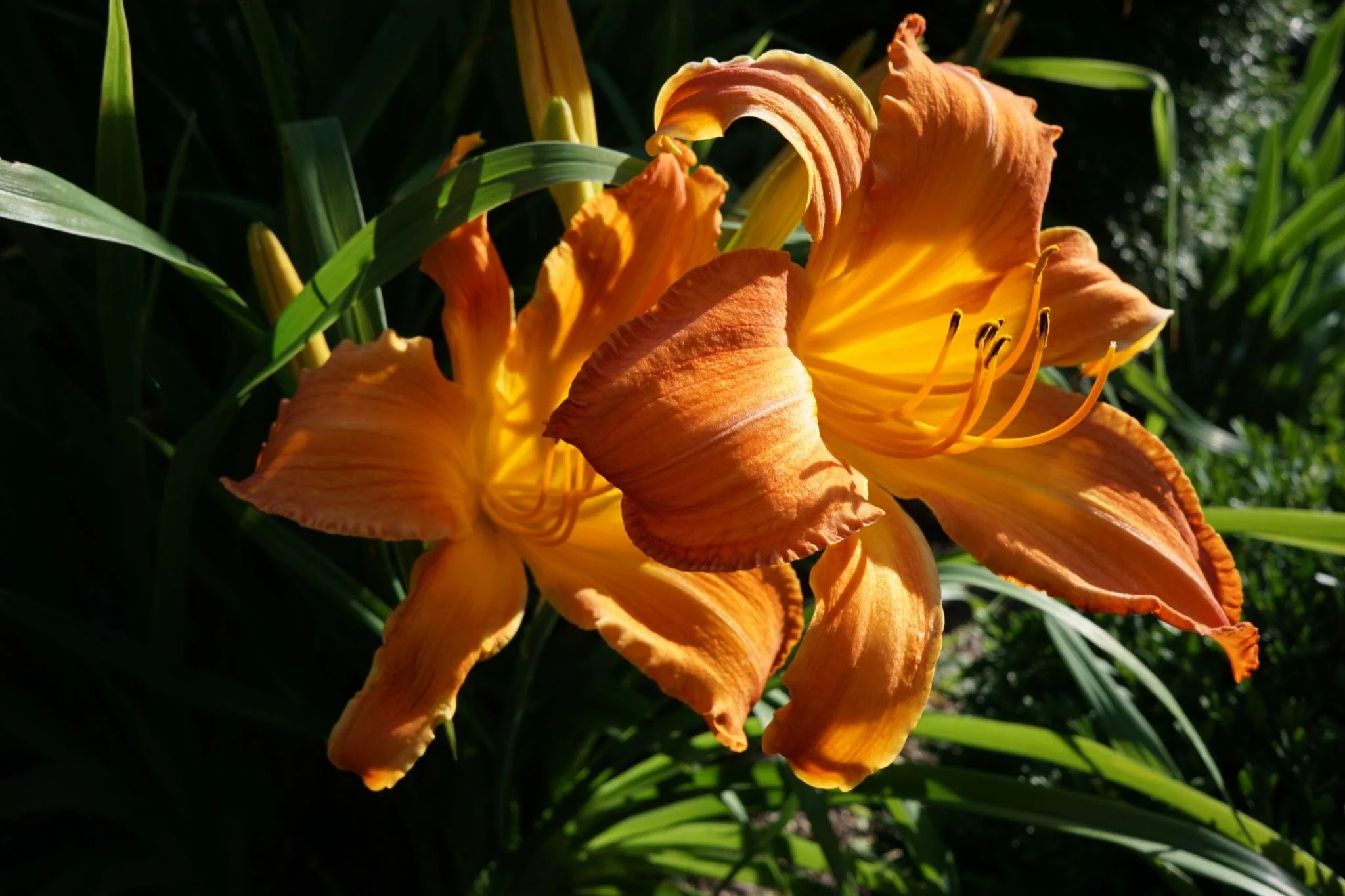
Daylilies (Hemerocallis) are one of the easiest and most reliable perennials you can grow in a Zone 6 garden.
Why We Love Them at 19 Birch Lane:
Extremely cold hardy
Long bloom season
Thousands of colors and varieties
Drought tolerant once established
Excellent for mass plantings and borders
Low maintenance and beginner friendly
They bring bold color and texture into the garden during the height of summer—when many spring perennials begin to fade.
The Beauty of Daylily Varieties
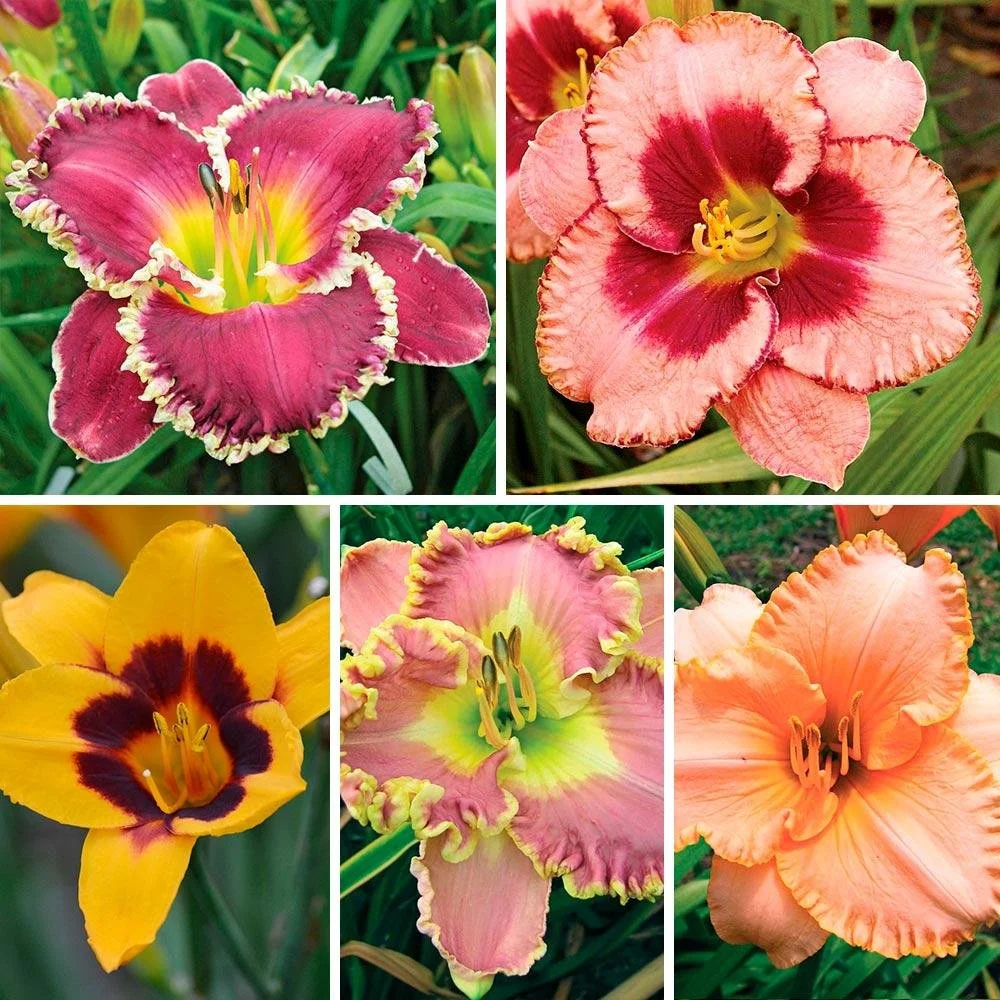
One of the reasons daylilies are so addictive to collect is the sheer diversity available.
Today, there are thousands of hybridized varieties featuring:
Ruffled petals
Spider forms
Double blooms
Near-black colors
Bi-colors and eye zones
Reblooming varieties
At 19 Birch Lane, we’re constantly adding to our collection each season—searching for varieties that bring:
Unique colors
Extended bloom periods
Strong garden performance
Architectural interest within perennial borders
Some daylilies create soft cottage garden charm, while others feel bold and tropical.
No two are exactly alike.
How We Use Daylilies in Garden Design
Daylilies are incredibly versatile in the landscape.
At 19 Birch Lane, we use them:
Along pathways and borders
Around ponds and water features
Mixed with ornamental grasses
Layered with hydrangeas and shrubs
In larger drifts for dramatic summer color
Their strappy foliage adds texture even when not in bloom, helping create movement throughout the garden.
Plants We Love Pairing with Daylilies:
Catmint (Nepeta ‘Walker’s Low’)
Coneflowers
Russian sage
Ornamental grasses
Hydrangeas
Black-eyed Susans
How to Grow Daylilies Successfully
One of the best things about daylilies is how easy they are to grow.
☀️ Sunlight
Daylilies perform best in:
Full sun (6+ hours daily)
Light afternoon shade in hotter climates
More sun = more flowers.
🌱 Soil
They prefer:
Well-drained soil
Moderate fertility
Consistent moisture during bloom season
But overall, they are extremely adaptable and forgiving.
💧 Watering
Once established, daylilies are surprisingly drought tolerant.
However, for best flowering:
Water deeply during dry periods
Mulch to retain moisture
Fertilizing Daylilies Naturally
At 19 Birch Lane, we prefer a more organic, soil-focused approach.
Our Favorite Fertilizers for Daylilies
🌿 Compost & Organic Blends
Applied in spring to enrich the soil naturally.
🪱 Worm Castings
Excellent for root development and overall vigor.
🌊 Seaweed & Kelp Fertilizer
Encourages healthy foliage and stronger blooms.
This combination helps:
Support repeat blooming
Build healthier soil over time
Encourage strong root systems
Dividing Daylilies: The Secret to Bigger, Healthier Clumps
Daylilies benefit greatly from division every few years.
As clumps mature, flowering can begin to slow.
When to Divide Daylilies
The best time is:
Early fall
OREarly spring before active growth begins
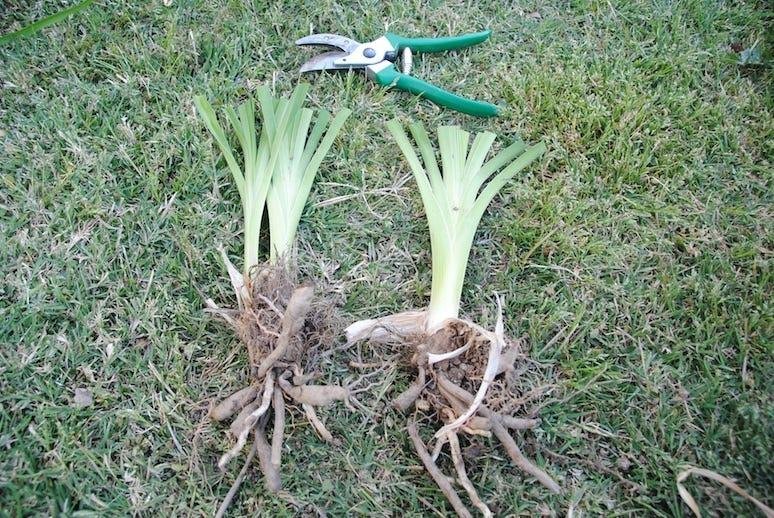
How to Divide Daylilies
Dig up the entire clump
Separate fans by hand or with a garden fork
Trim foliage back slightly
Replant divisions immediately
Dividing:
Rejuvenates older plants
Creates healthier blooming clumps
Gives you extra plants to share
Sharing Daylilies with Others
One of our favorite things about growing daylilies is how easily they can be shared.
Over time, a single clump can become dozens of plants.
They are:
Easy to divide
Easy to transplant
Easy to gift to friends and family
At 19 Birch Lane, many of our gardens have grown through sharing plants between fellow gardeners—a tradition that feels deeply connected to the spirit of gardening itself.
Extending the Life of Your Daylilies
With proper care, daylilies can thrive for decades.
Tips for Long-Term Success:
Divide every 3–5 years
Remove spent flower stalks
Mulch annually
Fertilize lightly in spring
Keep weeds from overcrowding clumps
Healthy daylilies become larger and more beautiful each season.
Building Our Daylily Collection at 19 Birch Lane
Every year, we continue expanding our collection of daylilies throughout the gardens.
We’re especially drawn to:
Reblooming varieties
Unique color combinations
Heirloom cultivars
Dramatic forms and textures
As the gardens evolve, daylilies continue to play a major role in creating vibrant summer displays and layered perennial borders.
For us, collecting plants is more than gardening—it’s storytelling through the landscape.
Why Daylilies Belong in Every Garden
If you’re searching for:
The best flowering perennials for Maine
Long-blooming summer flowers
Low-maintenance perennial garden plants
Colorful plants for Zone 6 landscapes
Daylilies are one of the best investments you can make.
They are resilient, beautiful, endlessly collectible, and capable of transforming a garden year after year.
At 19 Birch Lane, they remain one of the plants we return to again and again—always finding room for just one more variety.
🌿
Follow In the Garden at 19 Birch Lane for more Zone 6 gardening tips, perennial guides, and botanical garden inspiration from Mid Coast Maine.
🌱 Explore More from 19 Birch Lane
Best Perennials for Zone 6 Gardens
Shade Loving Perennials for Maine Gardens
Designing with Shrubs and Structure
Growing David Austin Roses in Maine
Seed Starting for Zone 6 Gardens