
Wild Bergamot (Monarda fistulosa)
Native Pollinator Favorite with Fragrant Foliage & Meadow-Style Beauty
🌿 Plant Overview
Common Name: Wild Bergamot
Botanical Name: Monarda fistulosa
Plant Type: Herbaceous Perennial
Family: Lamiaceae
Hardiness Zones: 3–9
Native Range: North America
📊 Key Characteristics
Height: 24–48 inches
Spread: 24–36 inches
Bloom Time: July to September
Flower Color: Pink to lavender
Foliage: Gray-green, highly fragrant
Growth Habit: Upright, clump-forming
☀️ Growing Conditions
Sun Exposure: Full sun to part shade
Water Needs: Dry to medium
Soil: Well-drained, adaptable to poor soils
Maintenance Level: Medium
Wild bergamot thrives in dry to average soils and tolerates drought once established. Good air circulation is essential for best performance.
🌸 Garden Features
✔️ Native pollinator plant
✔️ Attracts hummingbirds, butterflies, and bees
✔️ Fragrant foliage (minty/herbal scent)
✔️ Showy, unique flower form
✔️ Deer resistant
✔️ Drought tolerant
✔️ Suitable for rain gardens and naturalized areas
✂️ Care & Maintenance
Deadhead spent blooms to encourage extended flowering. Space plants properly to ensure good air circulation and reduce the risk of mildew. Plants may self-seed in favorable conditions.
🌼 Landscape Uses
Pollinator gardens, native plant gardens, meadows, herb gardens, rain gardens, naturalized plantings, perennial borders
🌿 19 Birch Lane Insight
Wild bergamot brings a natural, meadow-like character to the garden—perfect for blending structured plantings with a more relaxed, ecological feel while supporting pollinators throughout the summer.
🌱 Noteworthy Characteristics
A true North American native, Monarda fistulosa produces distinctive, globe-shaped clusters of tubular lavender-pink flowers perched atop square stems. The aromatic foliage can be used in herbal teas, and its long bloom period makes it a valuable addition to pollinator-friendly gardens. It offers a more subtle, naturalistic alternative to the brighter bee balms (Monarda didyma).
⚠️ Problems
May be susceptible to powdery mildew and rust, particularly in humid or crowded conditions. This species has better mildew resistance than some Monarda varieties, but proper spacing and airflow remain important.
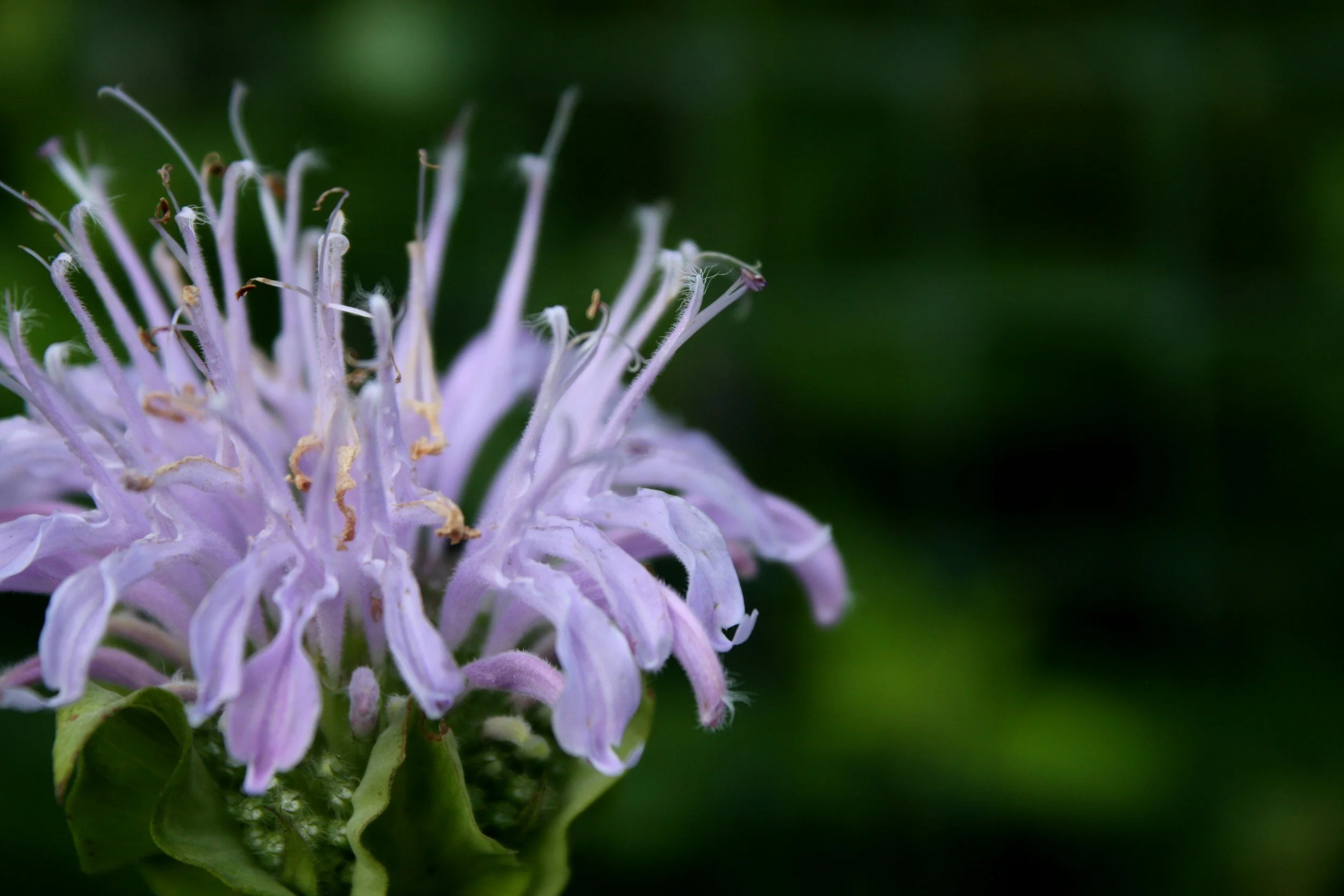
Wild Bergamot