
Boston Ivy (Parthenocissus tricuspidata)
Fast-Growing Climbing Vine with Brilliant Fall Color & Architectural Impact
🌿 Plant Overview
Common Name: Boston Ivy
Botanical Name: Parthenocissus tricuspidata
Plant Type: Deciduous Vine
Family: Vitaceae
Hardiness Zones: 4–8
Native Range: China, Japan
📊 Key Characteristics
Height: 30–50+ feet
Spread: 5–10 feet
Bloom Time: June to July
Flower Color: Greenish-white (insignificant)
Foliage: Deep green turning brilliant red to purple in fall
Growth Habit: Vigorous, clinging vine with adhesive tendrils
☀️ Growing Conditions
Sun Exposure: Full sun to part shade (best fall color in full sun)
Water Needs: Dry to medium
Soil: Average, well-drained (highly adaptable)
Maintenance Level: Low to moderate
Boston ivy is extremely adaptable and tolerates urban conditions, shade, drought, and a wide range of soil types, making it a reliable performer in many environments.
🌸 Garden Features
✔️ Spectacular fall color display
✔️ Rapid growth for quick coverage
✔️ Excellent for vertical surfaces
✔️ Tolerates shade and urban environments
✔️ Provides habitat and berries for birds
✔️ Deer resistant
✂️ Care & Maintenance
Requires regular pruning to control size and prevent unwanted spread. Best planted where it has space to grow freely. Easily propagated from cuttings.
🌼 Landscape Uses
Walls, fences, ground cover, erosion control, naturalized areas, large vertical surfaces
🌿 19 Birch Lane Insight
Boston ivy delivers dramatic seasonal transformation—quiet green in summer, then bursting into fiery reds in fall, creating unforgettable moments in the landscape.
🌱 Noteworthy Characteristics
A classic architectural vine, Boston ivy is known for its ability to cling to surfaces without support, covering walls and structures with dense foliage. Its iconic fall color ranges from scarlet red to deep purple. Small berries hidden within the foliage provide food for birds, adding ecological value.
⚠️ Problems
Can become aggressive and difficult to remove once established. Adhesive pads may damage painted or wood surfaces. May spread into unmanaged areas if not controlled. Occasional issues include leaf spot, mildew, or insect pests.
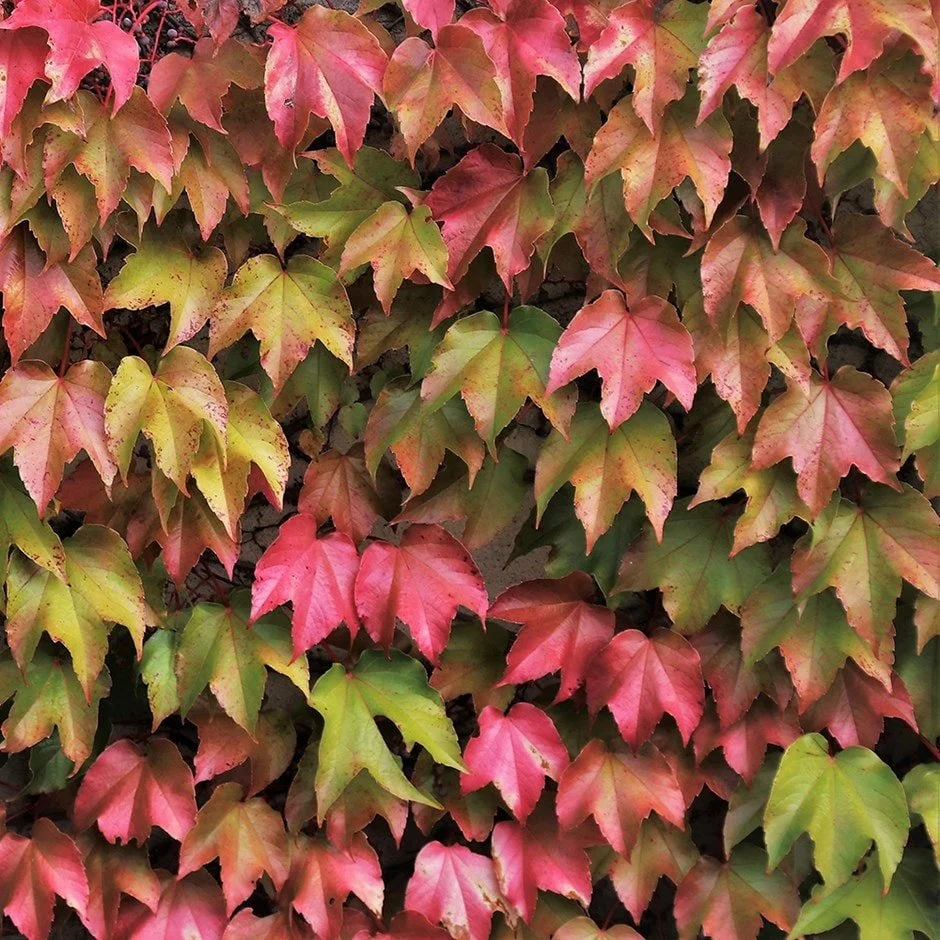
Boston Ivy (Parthenocissus tricuspidata)
Fast-Growing Climbing Vine with Brilliant Fall Color & Architectural Impact