
The Best Shrubs for Structure in a Garden (Boxwoods and Beyond)
Designing with Evergreen Structure at 19 Birch Lane in Zone 6
When designing a timeless garden, structure is everything.
At 19 Birch Lane, our botanical gardens in Mid Coast Maine (USDA Zone 6a) are built on a foundation of carefully chosen shrubs that provide form, balance, and year-round presence. While flowers come and go with the seasons, garden structure plants—especially shrubs—anchor the landscape, creating a sense of permanence and intention.
If you’re searching for the best shrubs for landscaping, especially evergreen shrubs for Zone 6, this guide walks through the plants and principles we rely on every day.
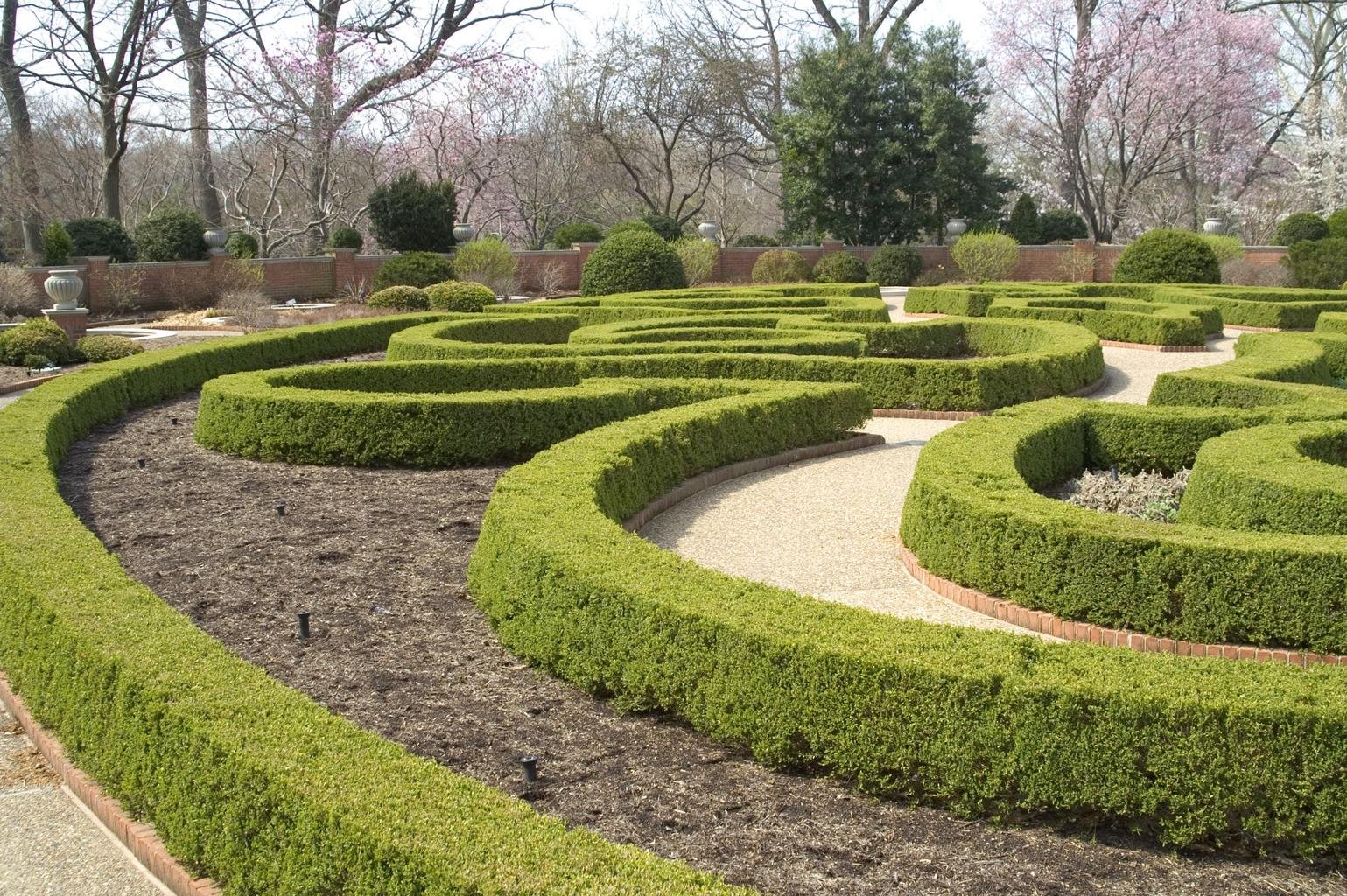
Adding boxwoods and other shrubs to promote to promote int and focal points in a garden.
Why Shrubs Are the Backbone of Garden Design
Before selecting plants, it’s important to understand why shrubs matter so much in a well-designed garden.
🌿 Structure Creates Year-Round Beauty
Perennials and annuals deliver seasonal color, but they disappear in winter. Shrubs—especially evergreens—hold the garden together when everything else fades.
At 19 Birch Lane, shrubs:
Define pathways and garden edges even under snow
Maintain visual weight in winter landscapes
Provide a backdrop that allows seasonal plantings to shine
Keep the garden feeling intentional 12 months a year
Without structure, a garden can feel temporary. With it, the space feels established and enduring.
🌿 Shrubs Define Space and Create Garden Rooms
One of the defining characteristics of 19 Birch Lane is the use of garden rooms—distinct outdoor spaces that feel intimate and curated.
Shrubs help us achieve this by:
Acting as natural walls and borders
Guiding movement along pathways
Framing focal points like pergolas, ponds, and the greenhouse
Creating transitions between open lawns and planted areas
Instead of one large, undefined space, shrubs allow the garden to unfold gradually—inviting exploration.
🌿 Structure Simplifies Design
A well-structured garden is easier to design and maintain.
Shrubs:
Provide a framework to build around
Reduce the need for constant replanting
Allow you to repeat simple planting patterns
Create visual cohesion across large areas
At 19 Birch Lane, once our shrub framework is in place, we layer in seasonal plantings with confidence.
The Best Shrubs for Landscaping in Zone 6
These are the garden structure plants we rely on most—chosen for their performance, beauty, and resilience in Maine’s Zone 6 climate.
1. Boxwoods (Buxus) — The Foundation Plant
Best For: Formal structure, edging, hedges
Sun: Full sun to part shade
Boxwoods are the gold standard for garden structure.
At 19 Birch Lane, we use boxwoods to:
Line walkways and define paths
Frame perennial beds
Create low hedges that bring a formal, timeless feel
Anchor entrances and focal areas
Their dense evergreen foliage and ability to be shaped make them one of the best evergreen shrubs for landscaping.
Why they perform in Zone 6:
Cold-hardy varieties hold color well through winter
Slow growth = low maintenance
Adaptable to both formal and relaxed designs
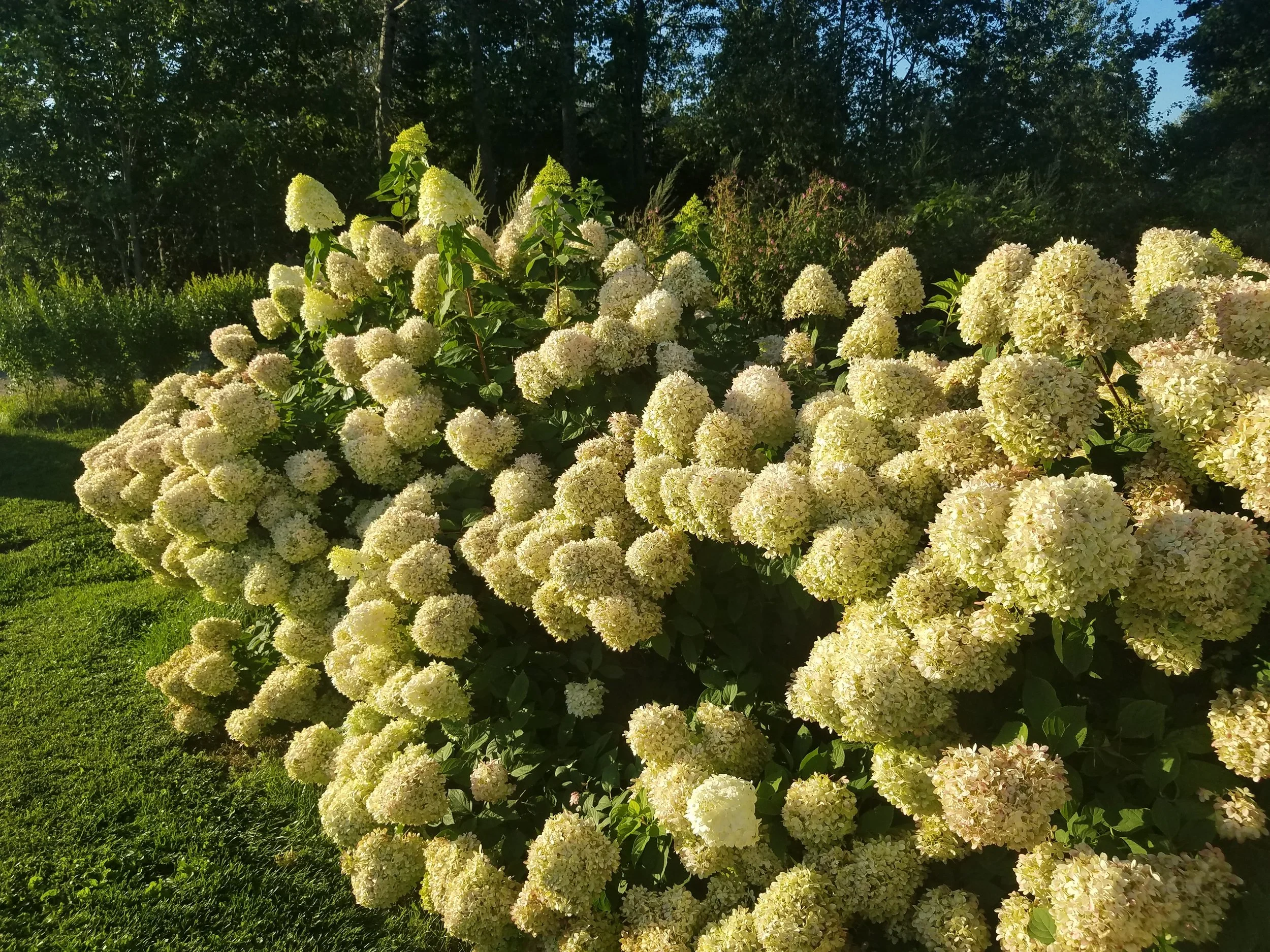
Limelight Hydrangeas
A great hydrangea to add to any garden for fall interest.
2. Limelight Hydrangeas — Structure with Seasonal Impact
Best For: Height, flowering hedges, soft structure
Sun: Full sun to part sun
Hydrangeas, especially Limelight varieties, are a signature element at 19 Birch Lane.
We use them to:
Create long, sweeping borders along driveways
Add height behind lower plantings
Provide a soft, romantic contrast to structured boxwoods
Deliver late-season blooms when many plants are fading
Why they perform in Zone 6:
Extremely cold hardy
Reliable bloomers even after harsh winters
Provide structure even when dormant
3. Arborvitae — Privacy and Vertical Structure
Best For: Screening, vertical lines, wind protection
Sun: Full sun
Arborvitae adds strong vertical structure and privacy.
At 19 Birch Lane, we use them to:
Define property boundaries
Create backdrops for garden rooms
Block wind in exposed areas
Frame views intentionally
Why they perform in Zone 6:
Cold-hardy and widely adaptable
Maintain evergreen color year-round
Fast-growing for quicker impact
4. Dwarf Spruce — Compact Evergreen Structure
Best For: Year-round interest, low-maintenance structure
Sun: Full sun
Dwarf spruce varieties provide tight, architectural form.
We use them to:
Add winter interest in key focal areas
Contrast softer plantings like grasses and perennials
Anchor corners and transitions between spaces
Why they perform in Zone 6:
Extremely cold hardy
Minimal pruning required
Hold shape naturally
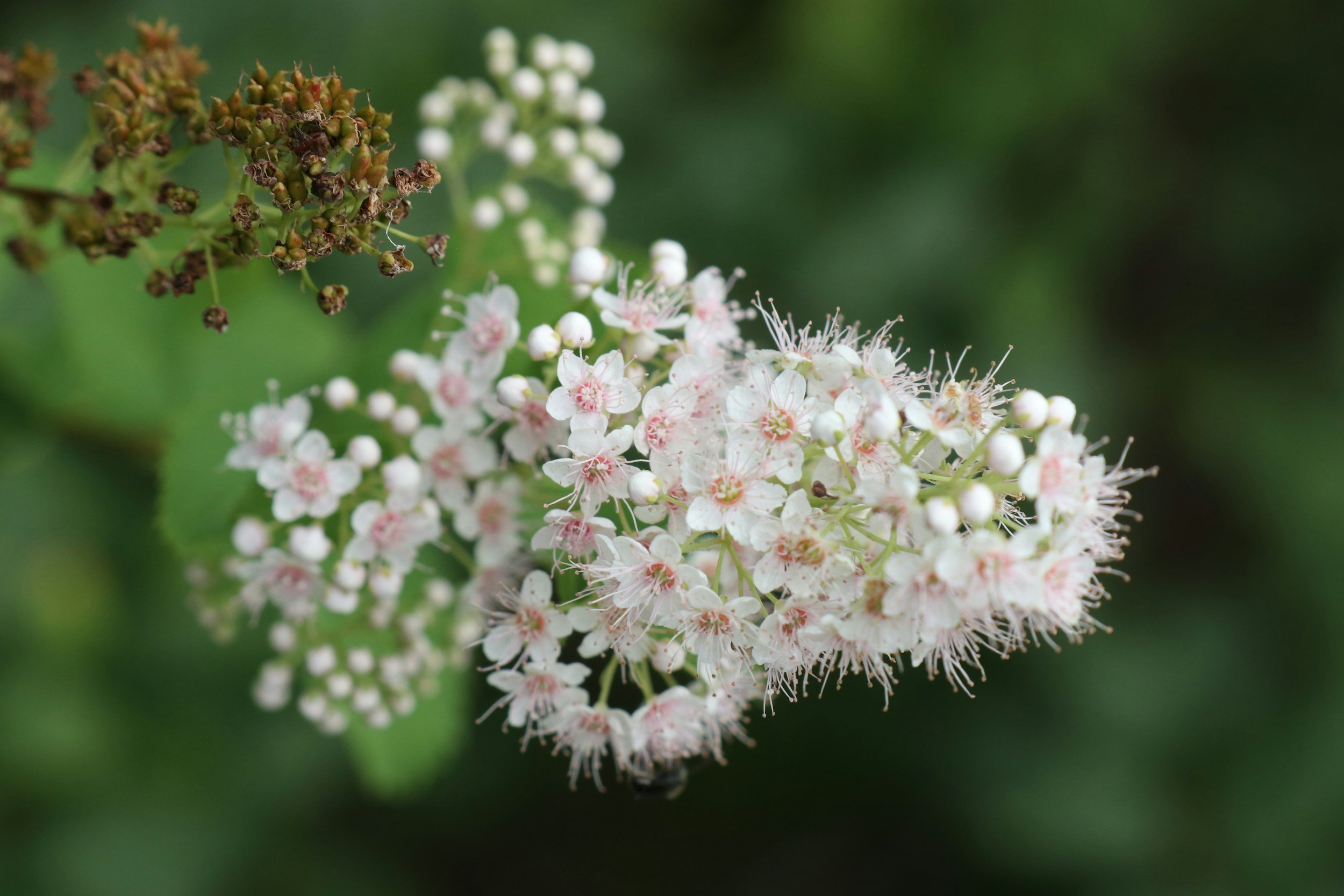
Spirea
Spirea is another wonderful shrugged at any garden with a beautiful bloom in the spring.
5. Spirea — Repetition and Flow
Best For: Mass planting, rhythm, seasonal color
Sun: Full sun
Spirea is one of the most useful shrubs for creating repetition.
We use it to:
Line pathways in repeating patterns
Add color in early and mid-summer
Soften transitions between structured and natural areas
Why they perform in Zone 6:
Very hardy and forgiving
Easy to prune and maintain
Reliable bloom cycle
6. Weigela — Color and Movement
Best For: Seasonal interest, soft structure
Sun: Full sun
Weigela adds a looser, more natural feel compared to formal shrubs.
At 19 Birch Lane, we use it to:
Break up rigid lines of boxwoods
Introduce color and movement
Add depth to layered shrub borders
Why they perform in Zone 6:
Cold-hardy and adaptable
Strong spring bloom
Works well in mixed borders
How We Use Shrubs to Build a Garden at 19 Birch Lane
Designing with shrubs is not just about choosing plants—it’s about creating a system.
1. Start with the Structure First
Every garden we design begins with shrubs—not flowers.
We first establish:
Pathways
Edges
Boundaries
Focal points
Only after that do we layer in perennials and annuals.
This ensures the garden looks complete even before seasonal plants fill in.
2. Layer Heights for Depth
A successful planting design includes:
Tall shrubs (arborvitae, hydrangea) for background
Mid-size shrubs (spirea, weigela) for body
Low shrubs (boxwoods) for edging and definition
This layering creates a sense of depth and fullness from every angle.
3. Repeat for Cohesion
One of the most important design principles we use is repetition.
Instead of planting one of everything, we:
Repeat boxwoods along multiple paths
Use hydrangeas in long, consistent runs
Echo shrub groupings across different garden rooms
This creates a cohesive, calming visual experience.
4. Balance Structure with Softness
Too much structure can feel rigid. Too little can feel chaotic.
We balance:
Structured shrubs (boxwood, spruce)
withFlowing shrubs (hydrangea, weigela)
This contrast is what gives gardens at 19 Birch Lane their signature look—refined but natural.
5. Design for All Seasons
In Maine, a garden must perform beyond summer.
We ensure:
Evergreens carry winter structure
Hydrangeas provide dried winter texture
Shrubs define the landscape even under snow
This approach transforms a garden from seasonal to year-round experience.
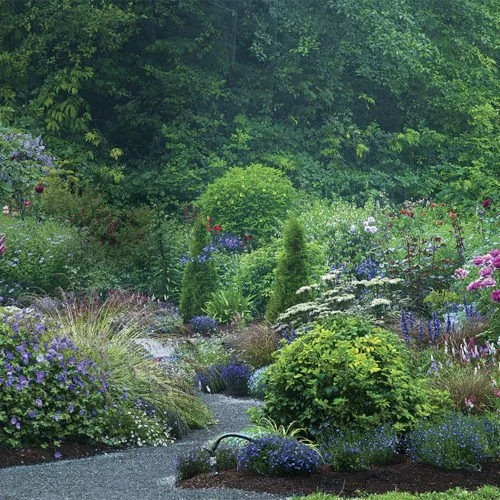
A perfect example of garden structure and layering all pulled together to make a beautiful garden.
Building a Timeless Garden with Structure
If you’re planning your own garden and searching for:
Best shrubs for landscaping
Evergreen shrubs for Zone 6
Garden structure plants that last year after year
Start with shrubs.
At 19 Birch Lane, they are the foundation of everything we create—from intimate garden rooms to expansive botanical views. With the right structure in place, every other plant has a place to shine.
🌿
Follow in the garden at 19 Birch Lane for more Zone 6 gardening advice, botanical garden design inspiration, and plant guides built for Maine’s unique climate.