
Spring Fertilizing Shrubs and Trees: Organic Methods with Worm Castings, Seaweed & Kelp
In the Garden at 19 Birch Lane, Mid Coast Maine (Zone 6a)
At 19 Birch Lane, spring in the garden begins below the surface. Before the first flush of blooms, before the garden rooms fully wake, we focus on one essential task: feeding the soil with organic fertilizers that build long-term health.
In a Zone 6 garden, where winters are long and soils can be depleted by snowmelt and freeze–thaw cycles, using the right natural inputs—worm castings, seaweed and kelp fertilizers, and aged organic blends like composted manure—makes all the difference.
If you’re looking for the best organic fertilizer for shrubs and trees, this is the exact approach we use throughout our botanical gardens in Mid Coast Maine.
Why Organic Fertilizing Matters in Zone 6
After winter, your garden soil needs to be replenished—not shocked with quick-release nutrients, but restored with slow, natural inputs.
By focusing on organic fertilizing methods, you:
Strengthen root systems for shrubs and trees
Improve soil structure and moisture retention
Encourage beneficial microbes and soil life
Build a garden that becomes healthier every year
At 19 Birch Lane, we don’t just fertilize—we rebuild the soil each spring.
Our Core Organic Fertilizers
These are the four primary materials we rely on for spring fertilizing shrubs and trees in Zone 6.
🪱 Worm Castings: The Foundation of Soil Life
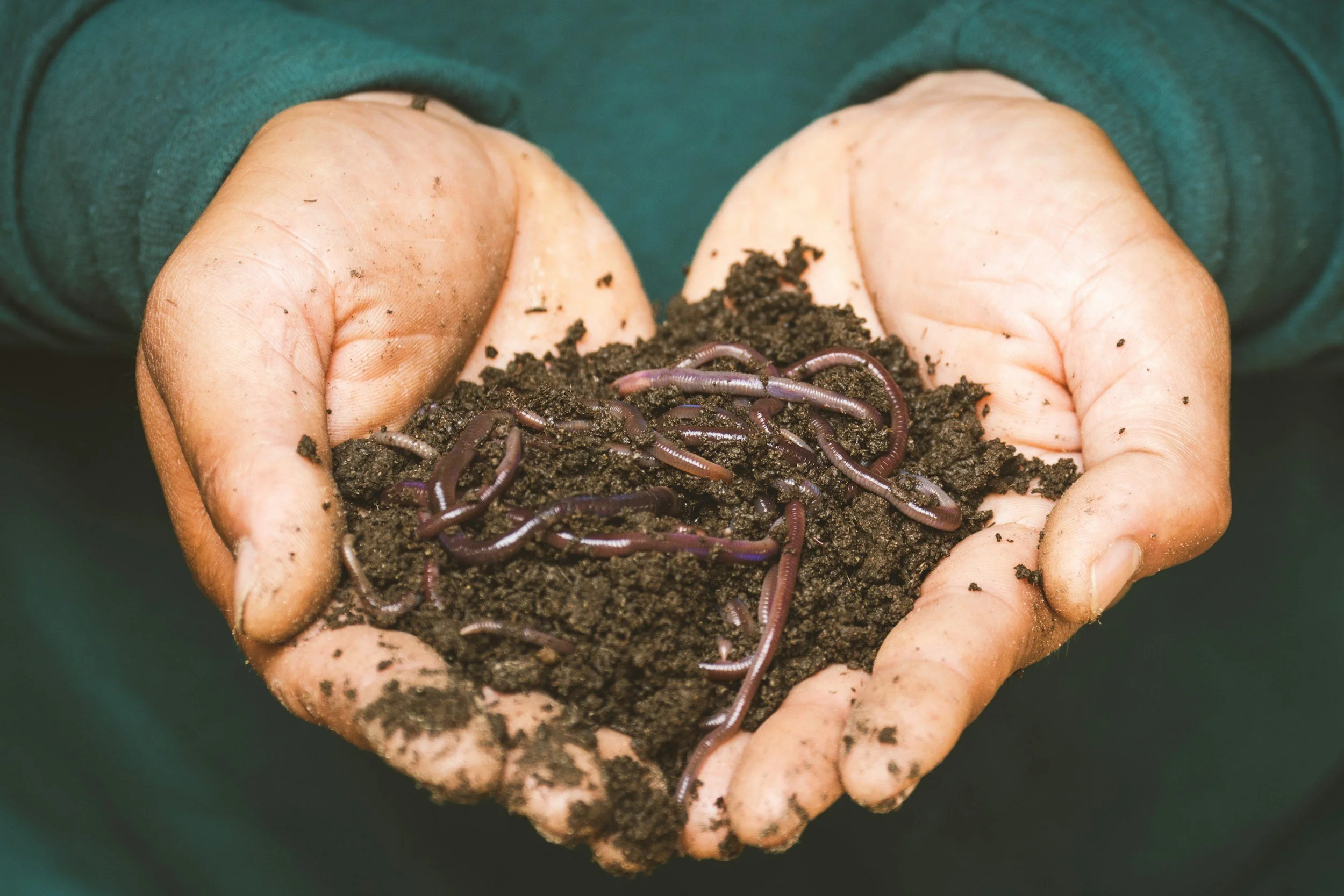
Worm casting is great for gardens.
Worm castings are one of the most powerful—and safest—organic fertilizers available.
Why We Use Them
Rich in micronutrients and beneficial microbes
Improve soil structure and aeration
Stimulate root development and plant vigor
Impossible to burn plants
How We Use Them at 19 Birch Lane
Mixed into soil when planting new shrubs
Top-dressed around established trees and perennials
Added to high-visibility garden beds where performance matters most
In our experience, worm castings create a noticeable difference in plant health—especially in young shrubs and newly planted areas.
SEO keywords: worm castings fertilizer, organic fertilizer for shrubs and trees, natural soil amendment
🌊 Seaweed & Kelp Fertilizer: Coastal Strength for the Garden
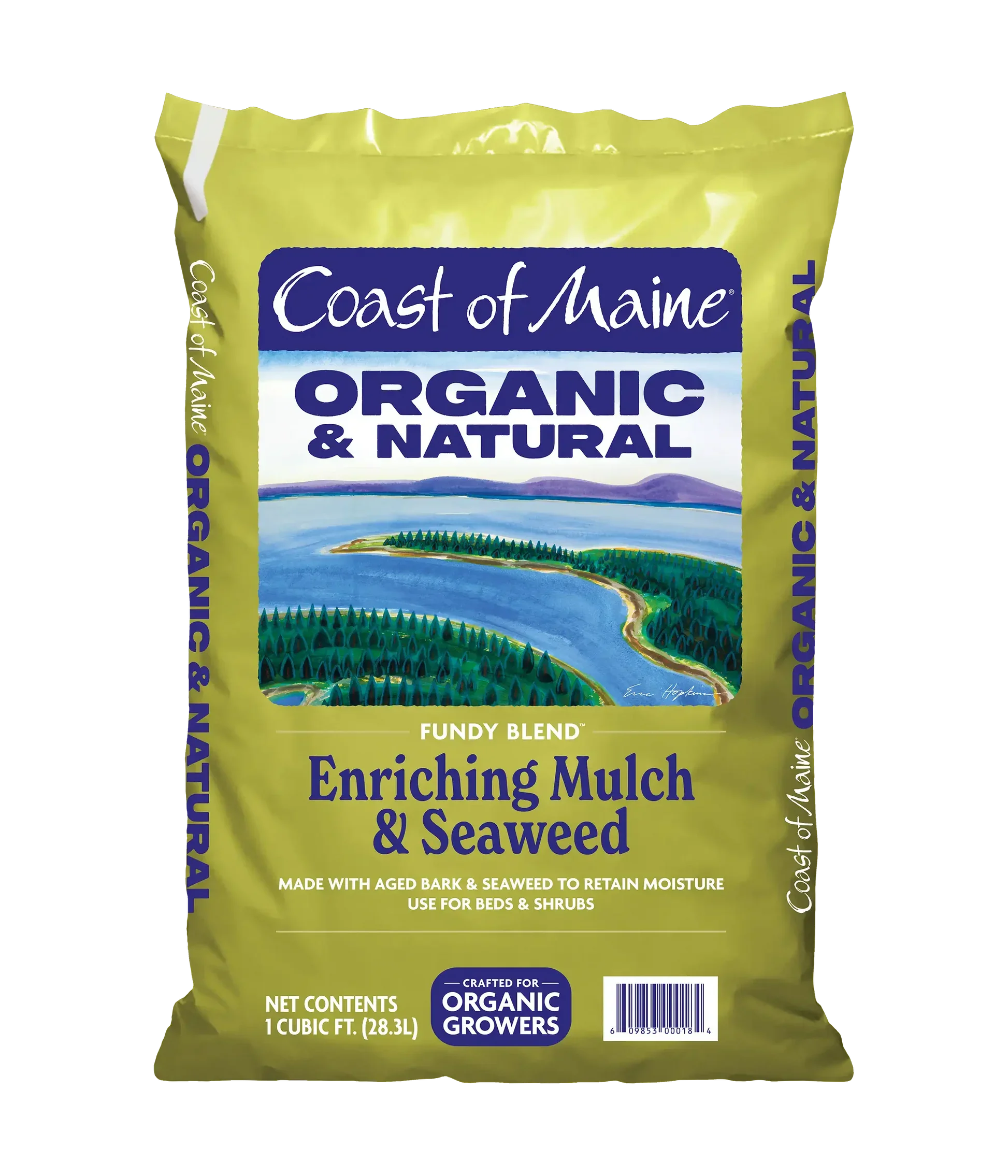
A great product from Maine
Living along the Maine coast, it’s only natural that we incorporate sea-based fertilizers into our garden routine.
Why Seaweed & Kelp Work
Packed with trace minerals not found in typical fertilizers
Enhance plant resilience to stress (cold, drought, transplanting)
Stimulate root growth and early-season development
Improve overall plant health without forcing rapid growth
How We Use Them
Liquid kelp applied in early spring as growth begins
Root drench for newly planted trees and shrubs
Supplemental feeding during key growth periods
Seaweed and kelp fertilizers are especially valuable in Zone 6 climates, where plants need strength—not just speed—to thrive.
SEO keywords: seaweed fertilizer garden, kelp fertilizer for plants, organic fertilizer for trees
🌿 Aged Organic Blends & Composted Manure
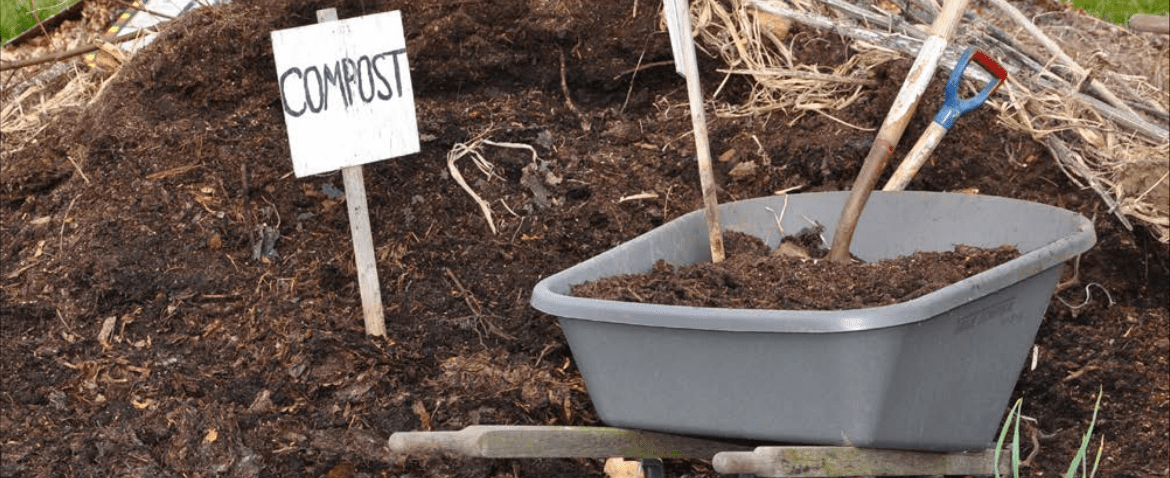
For deeper soil enrichment, we rely on aged organic materials—including composted manure and balanced organic blends.
Why They Matter
Provide slow-release nutrients over time
Improve soil texture and water retention
Feed soil microbes that support plant health
Build long-term fertility in garden beds
How We Use Them
Incorporated into new garden beds during installation
Applied as a spring top-dressing around shrubs
Used in combination with worm castings for a complete feeding system
Important: Always use fully composted or aged manure to avoid damaging plants.
These materials form the backbone of a sustainable, organic fertilizing system for landscaping.
SEO keywords: composted manure garden, organic fertilizer for landscaping, soil building for shrubs
How We Fertilize Shrubs and Trees at 19 Birch Lane
Our method is simple, repeatable, and designed for long-term success.
Step 1: Focus on the Drip Line
Apply all fertilizers around the drip line—the outer edge of the plant canopy—where feeder roots are most active.
Step 2: Build a Layered Soil System
We don’t rely on just one input—we layer them:
Base layer: Aged compost or manure
Enhancement layer: Worm castings
Supplement: Liquid seaweed or kelp
This creates a balanced, living soil system.
Step 3: Water to Activate
After applying fertilizers, water thoroughly to help nutrients move into the root zone and activate soil biology.
Step 4: Mulch for Protection and Feeding
Finish with a 2–3 inch mulch layer:
Locks in moisture
Regulates soil temperature
Slowly adds organic matter as it breaks down
When to Fertilize in Zone 6
Timing is critical for success.
At 19 Birch Lane, we fertilize:
Early spring: As the soil thaws and plants begin to wake
Mid-spring (optional): Light boost for heavy feeders like hydrangeas
Avoid late-season fertilizing, which can lead to tender growth before winter.
Why This Organic Approach Works
By combining:
Worm castings (biology)
Seaweed & kelp (micronutrients + resilience)
Aged compost & manure (slow-release structure)
We create a system that:
Supports long-term plant health
Reduces dependency on synthetic inputs
Produces stronger, more resilient shrubs and trees
This is how we maintain the gardens at 19 Birch Lane—not just for one season, but for years to come.
A Healthier Garden Starts Below the Surface
If you’re searching for:
Best organic fertilizer for shrubs and trees
How to fertilize a garden naturally
Spring fertilizing tips for Zone 6
Start with the soil.
At 19 Birch Lane, everything begins there. With the right organic inputs, your garden won’t just grow—it will thrive with strength, balance, and lasting beauty.
🌿
Followin the garden at 19 Birch Lanefor more Zone 6 gardening tips, organic methods, and botanical garden inspiration from Mid Coast Maine.