
Peonies in the Garden: How to Grow, Divide, and Design with These Timeless Blooms
In the Garden at 19 Birch Lane, Mid Coast Maine (Zone 6a)
Few plants capture the romance of early summer quite like peonies. At 19 Birch Lane, peonies are more than a seasonal highlight—they are part of the structure and story of our gardens, returning year after year with bigger, more beautiful blooms.
If you’re searching for how to grow peonies, best peonies for Zone 6, or peony care tips, this guide covers everything—from planting and fertilizing to dividing and building a lasting collection.
Why Peonies Thrive in Zone 6 Gardens
Peonies are among the best perennials for cold climates, and they truly shine in USDA Zone 6.
What Makes Peonies Ideal for Maine Gardens:
They require winter chill to bloom properly
They are extremely long-lived (often 50+ years)
They are low maintenance once established
They are naturally deer-resistant and hardy
At 19 Birch Lane, we rely on peonies as a foundation plant in our perennial borders, knowing they will return stronger each season.
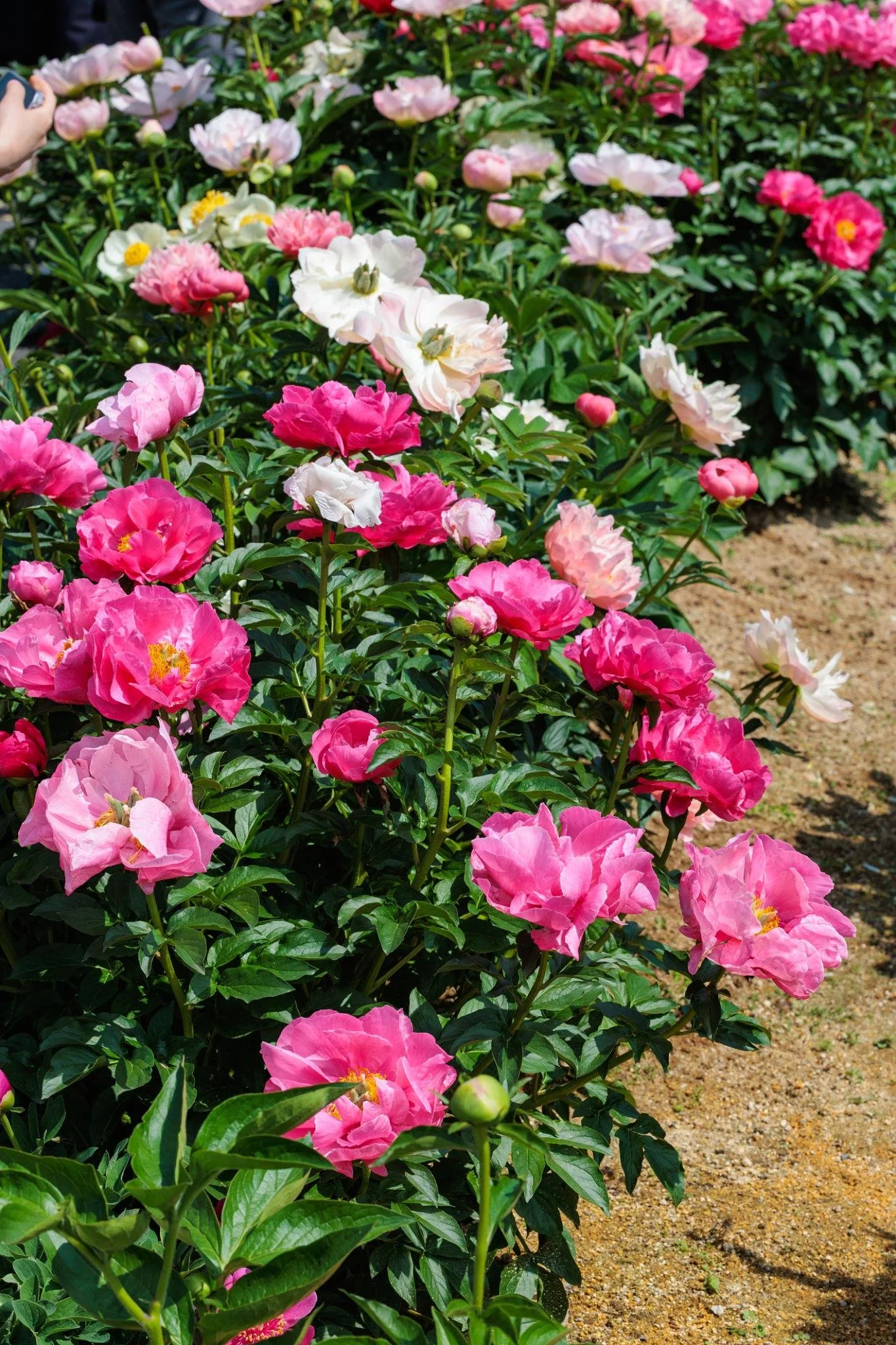
Peony
Peonies are a popular Hardy perennial flower that are known for their large and fragrant blooms.
Building a dynamic peony collection starts with understanding the different types. Each brings its own texture, timing, and structure to the garden.
🌸 Herbaceous Peonies
Die back to the ground each winter
Classic garden peonies with large blooms
Most common and easiest to grow
Use in the garden: Perfect for borders and mass plantings
🌿 Intersectional (Itoh) Peonies
A cross between herbaceous and tree peonies
Strong stems that don’t flop
Long bloom period and unique colors
Use in the garden: Ideal for high-impact focal points
🌳 Tree Peonies
Woody stems that remain year-round
Earlier bloom time than herbaceous types
Large, dramatic flowers
Use in the garden: Structural shrubs that add elegance and height
At 19 Birch Lane, we grow a mix of all three—layering bloom times and forms to extend the peony season and create visual depth.
How to Grow Peonies Successfully
Growing peonies is simple when you understand their needs.
☀️ Sunlight
Full sun is best (6+ hours daily)
Light shade is tolerated but may reduce blooms
🌱 Soil
Well-drained soil is essential
Slightly alkaline soil is preferred
Avoid wet or heavy clay areas
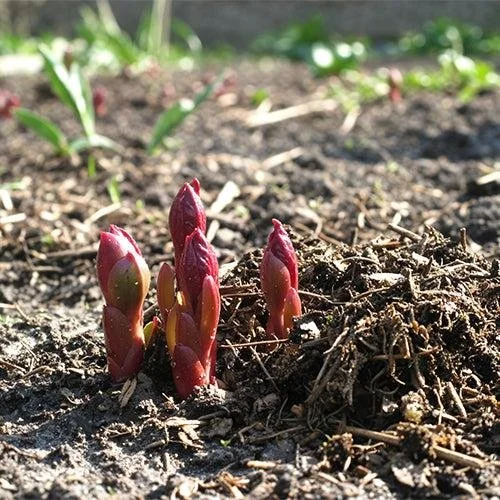
Early spring emergence
Planting depth is very important when first planting new roots do not plant them too deep.
🌿 Planting Depth (Critical!)
Eyes (buds) should be planted no more than 1–2 inches below soil
Planting too deep is the #1 reason peonies fail to bloom
How We Fertilize Peonies at 19 Birch Lane
We follow a natural, organic approach to fertilizing peonies.
Our Method:
Early spring: Top-dress with compost and aged organic material
Add worm castings around the root zone
Supplement with liquid seaweed or kelp fertilizer to encourage strong growth
This approach:
Builds soil health
Encourages steady, strong blooms
Avoids overly soft, weak growth
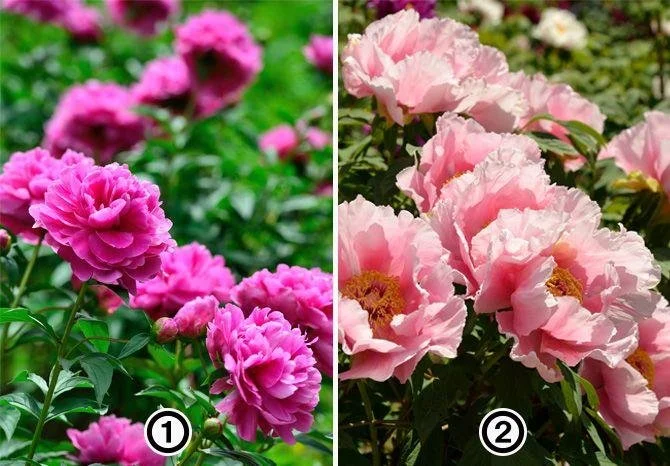
With so many varieties and colors to choose from why choose just one.
Dividing Peonies: How to Expand Your Garden
One of the greatest joys of growing peonies is sharing them.
When to Divide
Early fall (best time in Zone 6)
How to Divide
Dig up the entire root clump
Gently wash soil away
Cut into sections with 3–5 eyes each
Replant at proper depth
Why Divide?
Rejuvenates older plants
Expands your garden naturally
Allows you to share plants with friends and family
At 19 Birch Lane, many of our peonies have been passed along and replanted—each one carrying a story.
How Peonies Add Beauty to Garden Design
Peonies are not just flowers—they are design anchors.
We use them to:
Create lush, full borders
Add early summer focal points
Pair with structured shrubs like boxwoods
Blend into cutting gardens and wedding spaces
Their large blooms contrast beautifully with:
Fine textures (ferns, grasses)
Structured plants (boxwoods, hedges)
Airy flowers (verbena, cosmos)
At 19 Birch Lane, peonies are often placed where they can be seen up close—along paths, near seating areas, and in garden rooms designed for experience.
Extending the Life of Your Peonies
With proper care, peonies can last for decades.
Tips for Longevity:
Avoid transplanting too often
Provide good air circulation
Support heavy blooms if needed
Deadhead spent flowers
Cut back foliage in fall
A well-cared-for peony planting becomes better each year—one of the most rewarding aspects of perennial gardening.
Building a Peony Collection at 19 Birch Lane
One of our favorite parts of gardening is collecting and expanding our peony varieties.
Each year, we:
Add new cultivars for color and form
Trial different bloom times
Build layered plantings that extend the season
Incorporate peonies into new garden designs
From soft whites and blush pinks to deeper reds and unique intersectional tones, our collection continues to grow—bringing new character to the gardens each season.
Peonies are not just planted once—they are collected, shared, and celebrated.
A Timeless Garden Favorite
If you’re looking for:
The best flowering perennials for Zone 6
A plant that returns for generations
A flower that combines beauty, resilience, and ease
Peonies are one of the best investments you can make in your garden.
At 19 Birch Lane, they are part of the landscape, the experience, and the memories made here each season.
🌿
Followin the garden at 19 Birch Lane for more *Zone 6 gardening tips, plant guides, and botanical garden inspiration from Mid Coast Maine.