
Lemony Lace® Elderberry (Sambucus racemosa ‘Smnsrd4’)
Bright Chartreuse Foliage Shrub with Wildlife Value & Garden Impact
🌿 Plant Overview
Common Name: Elderberry / Lemony Lace® Elderberry
Botanical Name: Sambucus racemosa ‘Smnsrd4’
Plant Type: Deciduous Shrub
Family: Adoxaceae
Hardiness Zones: 3–7
Native Range: Hybrid (species native to North America, Europe, and Asia)
📊 Key Characteristics
Height: 3–5 feet
Spread: 4–6 feet
Bloom Time: May to June
Flower Color: White
Foliage: Bright yellow to chartreuse, finely dissected
Fruit: Red berries (attractive to birds)
Growth Habit: Mounding, spreading, suckering
☀️ Growing Conditions
Sun Exposure: Full sun to part shade (best color in full sun)
Water Needs: Medium to wet
Soil: Moist, rich, well-drained
Maintenance Level: Medium
Lemony Lace® elderberry thrives in moist, nutrient-rich soils and tolerates wet conditions, making it ideal for low-lying or rain garden areas.
🌸 Garden Features
✔️ Striking chartreuse foliage for season-long color
✔️ Showy spring flowers
✔️ Attractive red berries for wildlife
✔️ Supports birds and pollinators
✔️ Tolerates wet soils
✔️ Deer resistant
✂️ Care & Maintenance
Prune lightly after flowering to maintain shape. Remove older or weaker stems as needed. Can be cut back more aggressively in early spring to encourage fresh, vibrant growth. Manage suckers if a more controlled form is desired.
🌼 Landscape Uses
Specimen shrub, shrub borders, naturalized plantings, hedges, rain gardens, low areas, woodland edges
🌿 19 Birch Lane Insight
Lemony Lace® brings a bold, almost glowing presence to the garden—perfect for brightening darker spaces and adding contrast among deeper green plantings.
🌱 Noteworthy Characteristics
This compact elderberry cultivar is prized for its finely cut, lace-like foliage that emerges golden yellow and matures to vibrant chartreuse. Spring brings clusters of delicate white flowers, followed by bright red berries that attract birds. Its natural tendency to spread makes it ideal for naturalized plantings and ecological garden design.
⚠️ Problems
May experience canker, powdery mildew, aphids, or spider mites. Branches can be susceptible to damage from heavy snow or wind. Spreads by suckers if not managed.
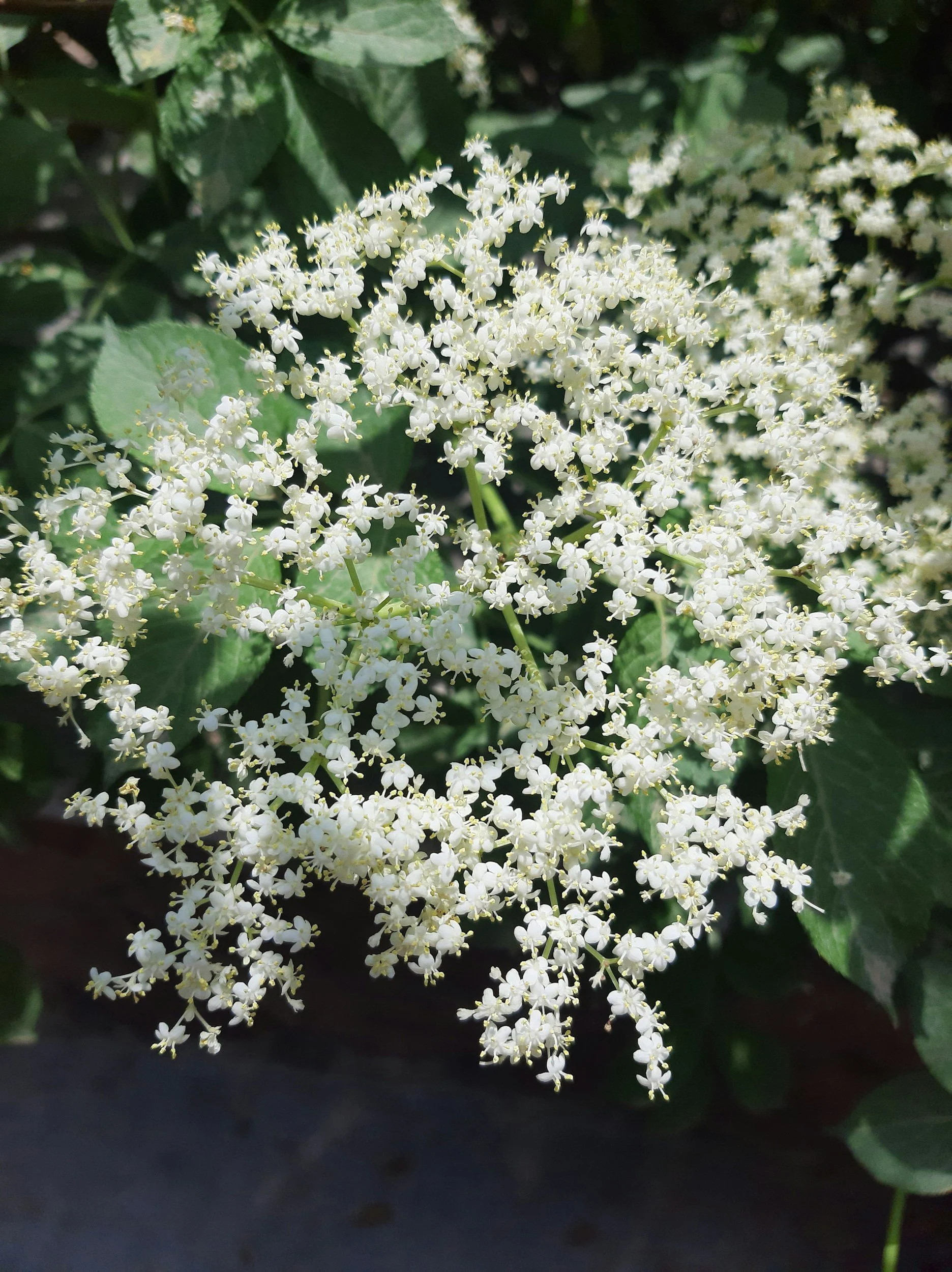
Lemony Lace® Elderberry