
Eastern Redbud (Cercis canadensis)
Iconic Spring Flowering Tree for Early Color & Woodland Garden Design
🌿 Plant Overview
Common Name: Eastern Redbud
Botanical Name: Cercis canadensis
Plant Type: Deciduous Tree
Family: Fabaceae
Hardiness Zones: 4–8
Native Range: Eastern North America
📊 Key Characteristics
Height: 20–30 feet
Spread: 25–35 feet
Bloom Time: April (early spring)
Flower Color: Pink to rose-purple
Foliage: Heart-shaped, green turning yellow in fall
Growth Habit: Rounded, often multi-trunked
☀️ Growing Conditions
Sun Exposure: Full sun to part shade
Water Needs: Medium (consistent moisture preferred)
Soil: Well-drained, moderately fertile
Maintenance Level: Low
Eastern redbud performs best in well-drained soils with consistent moisture. In warmer climates, partial shade helps protect foliage. Best planted young, as it does not transplant well once established.
🌸 Garden Features
✔️ Spectacular early spring blooms on bare branches
✔️ Native pollinator and wildlife plant
✔️ Attractive heart-shaped foliage
✔️ Provides early nectar for hummingbirds
✔️ Seeds support birds and wildlife
✔️ Deer resistant
✔️ Good fall color
✂️ Care & Maintenance
Minimal pruning required—remove dead or damaged branches as needed. Maintain consistent watering during establishment. Avoid poorly drained soils to prevent stress and disease.
🌼 Landscape Uses
Specimen tree, lawn tree, woodland gardens, naturalized plantings, patio tree, street tree
🌿 19 Birch Lane Insight
Eastern redbud creates one of the most magical moments in the garden—flowering before the leaves emerge, transforming bare branches into a cloud of soft pink color in early spring.
🌱 Noteworthy Characteristics
A standout native understory tree, Cercis canadensis is celebrated for its profuse pea-like flowers that bloom directly along branches and trunks before foliage appears. Its heart-shaped leaves add soft texture throughout the growing season, followed by subtle yellow fall color. Seed pods persist into winter, adding seasonal interest and supporting wildlife.
⚠️ Problems
May be susceptible to canker, verticillium wilt, leaf spots, and borers. Maintaining plant vigor through proper watering and site selection is key to long-term health.
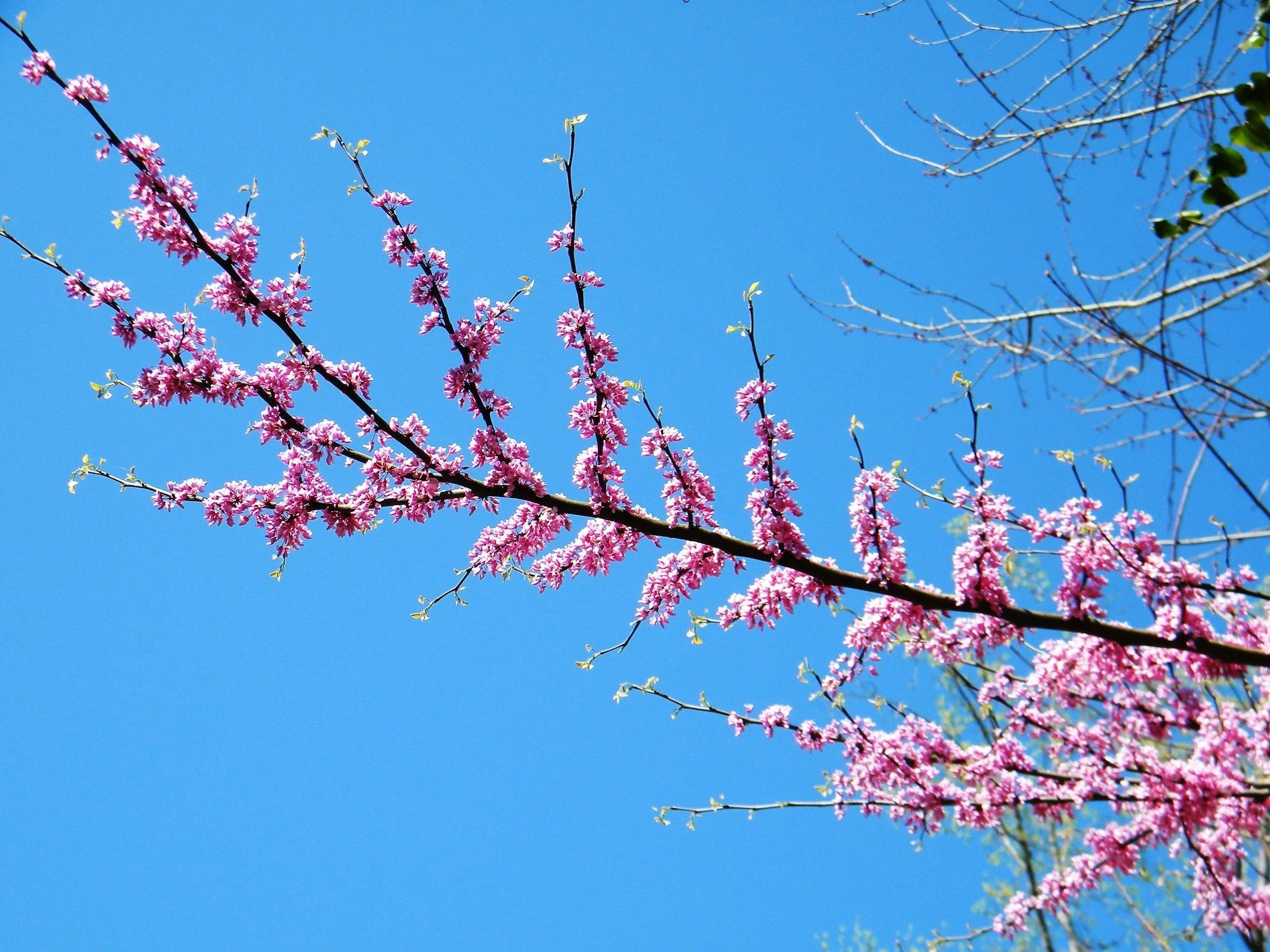
Eastern Redbud