
Moody Blues® Dark Pink SpeedwellVeronica spicata — A Colorful, Pollinator-Friendly Perennial for Maine Gardens
Vibrant dark pink flower spikes, compact growth, and a long summer blooming season make Moody Blues Dark Pink Speedwell an excellent choice for sunny perennial borders, pollinator-friendly gardens, and smaller landscapes.
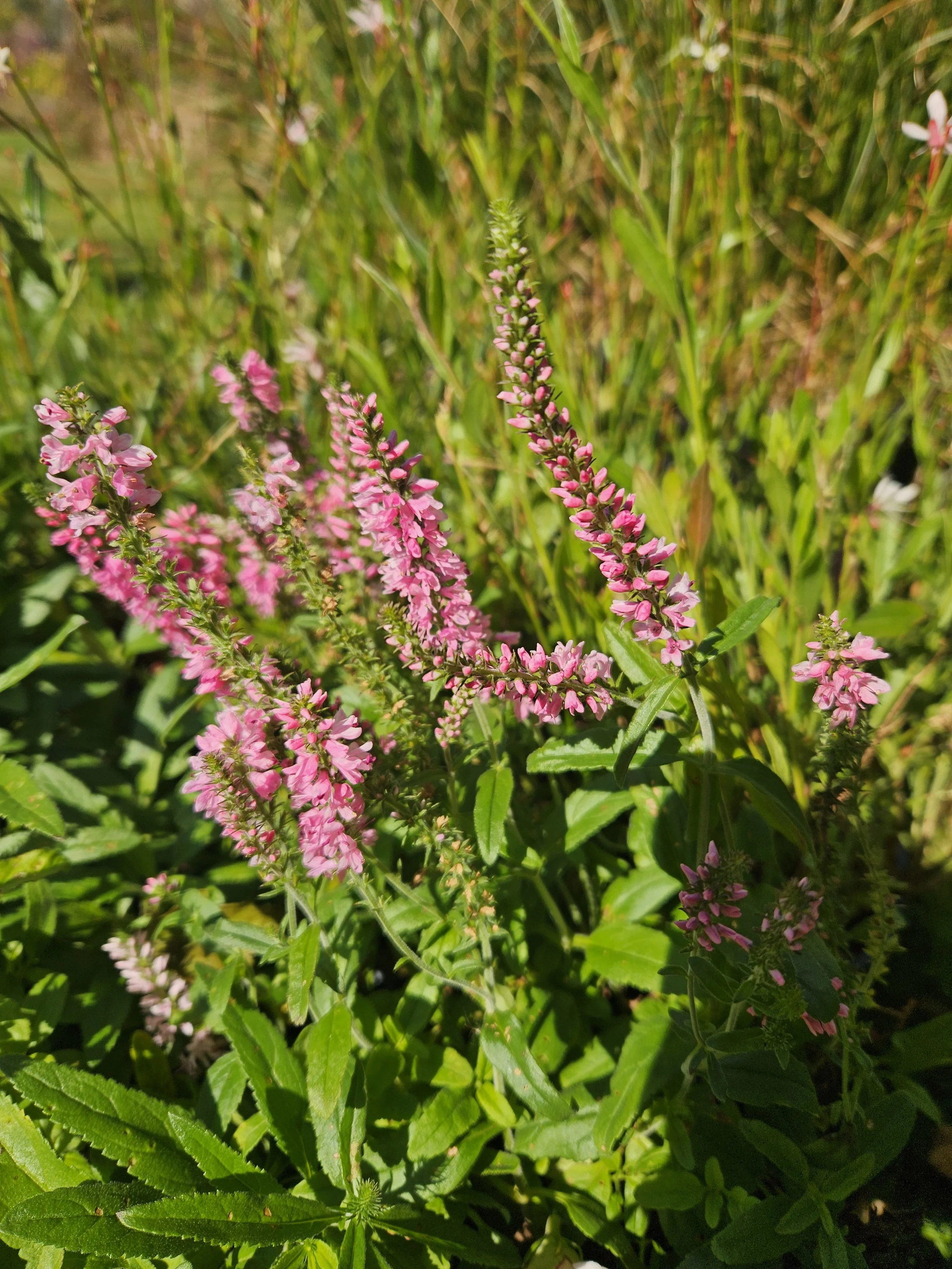
Moody Blues® Dark Pink SpeedwellVeronica spicata
Vibrant dark pink flower spikes, compact growth, and a long summer blooming season make Moody Blues Dark Pink Speedwell an excellent choice for sunny perennial borders, pollinator-friendly gardens, and smaller landscapes
Plant Overview
Common Name: Moody Blues Dark Pink Speedwell
Botanical Name: Veronica spicata (Moody Blues® Dark Pink selection)
Plant Type: Herbaceous Flowering Perennial
Family: Plantaginaceae — Plantain Family
Hardiness: Commonly marketed for USDA Zones 4–8
Flower Color: Dark Pink to Rose-Pink
Primary Season of Interest: Summer
Moody Blues® Dark Pink Speedwell is a compact, summer-flowering perennial prized for its vibrant pink flower spikes, tidy growth habit, and ability to attract pollinators.
A member of the Veronica spicata group, this colorful perennial produces upright spikes densely packed with small pink flowers. The blooms rise above a neat mound of green foliage, creating vertical accents without requiring the space of a large flowering perennial.
Its relatively compact size makes it particularly useful toward the front or middle of perennial borders, along garden pathways, in cottage-style plantings, and in smaller garden spaces where every plant needs to contribute something meaningful.
Moody Blues Dark Pink is also valued for its potential to produce additional flowers when spent flower spikes are removed.
For gardeners in Maine and other northern climates, this combination of cold hardiness, attractive summer flowers, and manageable maintenance makes it a useful perennial for sunny landscapes.
At 19 Birch Lane, the Plant Finder highlights plants not only for their appearance but also for their role in creating gardens with strong seasonal interest, thoughtful plant combinations, and ecological value.
Why Moody Blues Dark Pink Belongs in the 19 Birch Lane Plant Finder
As we continue developing the gardens at 19 Birch Lane, one of the most important lessons we've learned is that successful garden design depends on more than selecting plants with beautiful flowers.
It also depends on combining plants with different heights, forms, textures, and flowering periods.
Moody Blues Dark Pink Speedwell illustrates this principle particularly well.
Its upright flower spikes create a different visual effect from the rounded flowers of coneflowers, the airy blooms of catmint, or the broad flower clusters of hydrangeas.
That difference in flower structure helps create a more interesting garden composition.
The rich pink flowers can also provide an appealing contrast against purple, blue, white, and silver foliage combinations.
From an educational perspective, Moody Blues Dark Pink allows us to explore:
The role of vertical flower spikes in perennial garden design
Choosing compact perennials for smaller planting spaces
Creating continuous summer color
Supporting bees and butterflies
Deadheading and repeat flowering
Designing perennial borders for Maine's growing season
Combining flower shapes for visual contrast
Using repeated plant groupings to create rhythm
These are the kinds of details that help transform a collection of individual plants into a thoughtfully designed garden.
Quick Facts
Common Name: Moody Blues Dark Pink Speedwell
Botanical Name: Veronica spicata, Moody Blues® Dark Pink
Family: Plantaginaceae
Plant Type: Herbaceous Perennial
USDA Hardiness Zones: Commonly 4–8
Mature Height: Approximately 12–16 inches, depending on growing conditions
Mature Spread: Approximately 12–16 inches
Growth Habit: Compact, Upright, Mounding at the Base
Flower Color: Dark Pink / Rose-Pink
Bloom Time: Early to Midsummer, with possible repeat flowering
Flower Shape: Dense, Upright Spikes
Foliage: Green
Sun Exposure: Full Sun Preferred
Water Requirements: Average
Soil: Well-Drained
Maintenance: Low to Moderate
Deadheading: Recommended for repeat flowering
Pollinator Value: Good
Attracts: Bees and Butterflies
Deer Resistance: Generally Considered Resistant
Cut Flowers: Suitable for Small Arrangements
Garden Uses: Borders, Edging, Mass Plantings, Containers, Pollinator Gardens
Mature dimensions and bloom duration can vary with nursery production, climate, and garden conditions.
Growing Conditions
Light Requirements
Moody Blues Dark Pink Speedwell performs best in full sun.
For the strongest flowering display, aim for approximately six or more hours of direct sunlight each day.
Plants may tolerate some light afternoon shade, particularly in warmer regions, but excessive shade can result in:
Fewer flowers
Weaker stems
Less compact growth
Reduced repeat flowering
In Midcoast Maine, a sunny perennial border with good air circulation is an excellent starting point.
Soil Requirements
Speedwell performs best in soil that drains well.
Ideal soil conditions include:
Average garden soil
Loamy or sandy-loam soil
Moderate organic matter
Good drainage
Avoidance of prolonged winter saturation
The most important consideration is preventing water from collecting around the crown.
This becomes particularly important in northern climates, where winter moisture combined with freezing and thawing can damage perennial crowns.
Water Requirements
Moody Blues Dark Pink has average watering requirements.
During establishment:
Water regularly until the root system develops.
Water deeply rather than applying frequent shallow amounts.
Allow excess moisture to drain away.
Monitor plants during extended dry periods.
Once established, speedwell can tolerate occasional short dry spells, although consistent moisture generally produces stronger flowering.
Avoid prolonged drought during peak bloom.
Flower Characteristics
The defining feature of Moody Blues Dark Pink is its upright, densely flowered spikes.
Flower Features
Dark pink to rose-pink coloration
Numerous small flowers arranged along vertical spikes
Compact flowering stems
Summer blooming
Attractive to bees and butterflies
Potential for additional flowering after deadheading
The flower spikes provide a strong vertical element that contrasts beautifully with plants producing rounded, flat, or airy flowers.
This makes speedwell especially useful in mixed perennial borders.
Rather than creating a large mass of color at one height, the spikes add visual movement and structure.
Foliage Characteristics
Moody Blues Dark Pink produces green foliage arranged in a compact mound near the base of the flowering stems.
The foliage is generally:
Green
Relatively compact
Narrow to lance-shaped
Slightly toothed
Dense enough to create an attractive foundation beneath the flowers
During spring, the foliage begins developing before the flower spikes emerge.
Once flowering begins, the leaves provide a simple green background that allows the pink flowers to become the focal point.
Cold Hardiness in Maine
Moody Blues Dark Pink Speedwell is commonly marketed for USDA Zones 4–8.
That makes it a promising perennial for many northern gardens, including Zone 6 locations in coastal Maine.
However, cold hardiness is only part of successful overwintering.
Good drainage is especially important.
In Maine, the combination of saturated soil and repeated freeze-thaw cycles can be more damaging to some perennials than low temperatures alone.
For the best results:
Select a well-drained planting location.
Avoid low areas that remain wet during winter.
Avoid heavy fall fertilization.
Allow plants to enter dormancy naturally.
Remove excessive wet debris around the crown.
Apply winter mulch only when appropriate for the site.
A healthy, well-established plant in properly drained soil is better positioned to return reliably each spring.
Pollinator & Wildlife Benefits
Moody Blues Dark Pink Speedwell is a useful flowering perennial for pollinator-conscious garden design.
Its numerous small flowers can attract:
Bees
Butterflies
Other nectar-seeking insects
Because individual flowers open along the spikes, the plant can provide floral interest over an extended period.
However, no single perennial provides all the resources pollinators need throughout the growing season.
For a stronger planting, combine speedwell with early-, mid-, and late-season flowering plants.
At 19 Birch Lane, this approach fits our broader interest in creating gardens that provide both ornamental beauty and ecological value.
Deer and Rabbit Resistance
Speedwell is generally considered relatively resistant to deer and rabbit browsing.
Its foliage is not typically among the most preferred garden foods.
However, resistance does not mean immunity.
Browsing pressure varies with wildlife populations, seasonal food availability, and local conditions.
Young plants may still require protection where browsing is severe.
Garden Uses
Moody Blues Dark Pink is particularly effective in:
Sunny Perennial Borders
Pollinator-Friendly Gardens
Garden Pathway Edging
Front-of-Border Plantings
Mixed Perennial Beds
Mass Plantings
Small Gardens
Container Gardens
Cutting Gardens
Rock Gardens with Suitable Moisture
Color-Themed Gardens
Its compact growth makes it useful where taller perennials would overwhelm neighboring plants.
Using Moody Blues Dark Pink in a Perennial Border
One of the best ways to use Moody Blues Dark Pink is in repeating groups.
A single plant can be attractive, but several plants arranged together create a stronger visual effect.
For example, three or five plants placed in a loose grouping can create a concentrated area of pink flower spikes.
Repeating those groups at intervals along a border helps visually connect different sections of the garden.
This technique is particularly effective when the surrounding plants have different flower shapes or foliage textures.
Companion Plants
Moody Blues Dark Pink combines well with a wide range of sun-loving perennials.
Recommended Companions
Coreopsis
Hardy Geranium
Yarrow (Achillea)
Shasta Daisy (Leucanthemum)
Sedum ‘Autumn Joy’
Asters
Black-Eyed Susan (Rudbeckia)
These combinations offer differences in flower shape, plant height, texture, and bloom season.
Choose companions with similar sunlight and drainage requirements.
Care & Maintenance
Moody Blues Dark Pink is generally a manageable perennial.
The most important maintenance tasks include:
Watering during establishment
Maintaining well-drained soil
Removing spent flower spikes
Cutting back damaged foliage
Dividing overcrowded clumps when necessary
Monitoring for common perennial pests and diseases
Avoid excessive fertilizer, which may encourage soft growth at the expense of flowering.
Deadheading Moody Blues Dark Pink Veronica
Should Speedwell Be Deadheaded?
Yes.
Removing spent flower spikes is one of the best ways to encourage a tidier appearance and possible repeat flowering.
Once a spike has finished blooming, cut it back toward the foliage mound or to an appropriate set of healthy leaves.
This prevents the plant from putting unnecessary energy into seed development.
With favorable weather and growing conditions, additional flowering stems may develop.
Repeat flowering should be viewed as a potential benefit rather than a guarantee of continuous bloom throughout the entire summer.
Dividing and Transplanting
Over time, established speedwell clumps may become crowded.
Division can help rejuvenate older plants and create additional plants for the garden.
Early spring is often a suitable time to divide established clumps in northern climates.
When dividing:
Lift the clump carefully.
Separate it into healthy rooted sections.
Remove damaged or dead portions.
Replant promptly.
Water thoroughly.
Keep newly divided plants adequately watered during establishment.
Division should only be performed when necessary.
Fertilizing
Moody Blues Dark Pink generally performs well without heavy fertilization.
In reasonably fertile garden soil, compost or a modest spring application of balanced fertilizer may be sufficient.
Avoid excessive nitrogen.
Too much fertilizer can encourage lush foliage and weaker flowering stems.
If growth appears poor, evaluate sunlight, drainage, soil conditions, and moisture before assuming fertilizer is required.
Potential Problems
Like other speedwells, Moody Blues Dark Pink can occasionally experience:
Powdery mildew
Leaf spot
Aphids
Crown or root rot
Poor flowering in excessive shade
Winter losses in poorly drained soil
Good spacing and air circulation can help reduce disease pressure.
Avoid prolonged saturation around the crown.
Remove damaged or diseased foliage when necessary.
Landscape Design Ideas
Pink and Purple Summer Border
Moody Blues Dark Pink + Catmint + Purple Salvia + Coneflower
This combination provides a range of pink and purple tones with contrasting flower shapes.
Soft Cottage Garden Combination
Moody Blues Dark Pink + Shasta Daisy + Coreopsis + Hardy Geranium
White, yellow, and pink flowers create a cheerful summer display.
Long-Season Pollinator Planting
Moody Blues Dark Pink + Wild Bergamot + Coneflower + Autumn Joy Sedum + Asters
The different flowering periods help extend seasonal interest and pollinator resources.
Formal Repeating Border
Use Moody Blues Dark Pink in repeated groups along the edge of a wider planting bed.
Combine with ornamental grasses or rounded shrubs to create contrast between upright flower spikes and softer foliage forms.
Why Gardeners Love Moody Blues Dark Pink Speedwell
✓ Vibrant dark pink flowers
✓ Compact growth habit
✓ Upright flower spikes
✓ Excellent for sunny borders
✓ Attractive to bees and butterflies
✓ Potential repeat flowering
✓ Easy to deadhead
✓ Good cold hardiness
✓ Suitable for Maine gardens
✓ Works well in small spaces
✓ Useful for pathway edging
✓ Attractive in mass plantings
✓ Generally deer resistant
✓ Combines with many popular perennials
✓ Valuable addition to summer garden designs
Plant Finder Details
Common Name: Moody Blues Dark Pink Speedwell
Botanical Name: Veronica spicata, Moody Blues® Dark Pink
Family: Plantaginaceae
Plant Type: Herbaceous Perennial
USDA Hardiness Zones: Commonly 4–8
Mature Height: Approximately 12–16 inches
Mature Spread: Approximately 12–16 inches
Growth Habit: Compact, Upright
Flower Color: Dark Pink
Flower Shape: Upright Spikes
Bloom Season: Summer, with potential repeat bloom
Sun Exposure: Full Sun Preferred
Soil: Average, Well-Drained
Water Requirements: Average
Maintenance: Low to Moderate
Deadheading: Recommended
Foliage: Green
Pollinator Value: Good
Attracts: Bees and Butterflies
Deer Resistance: Generally Resistant
Rabbit Resistance: Generally Resistant
Garden Uses: Borders, Edging, Mass Plantings, Containers
Maine Garden Suitability: Good in well-drained, sunny locations
📍 Where to Find Moody Blues Dark Pink Speedwell at 19 Birch Lane
Moody Blues Dark Pink Speedwell is well suited to sunny perennial borders, mixed flower beds, pathway edges, and plantings designed to provide summer color and pollinator activity.
Its compact size makes it particularly valuable toward the front of a planting bed, where visitors can appreciate the individual flowers and observe visiting insects.
🌸 Seasonal Interest Calendar
🌱 Spring
Fresh green foliage emerges as the plant returns from winter dormancy.
This is a good time to remove old stems, evaluate the clump, and divide established plants if necessary.
🌸 Early Summer
Pink flower spikes begin developing above the compact foliage.
🐝 Midsummer
The plant produces its main flowering display.
Bees, butterflies, and other insects may visit the flowers.
🌿 Late Summer
Removing spent flower spikes can encourage additional flowering under favorable conditions.
🍂 Fall
Flowering gradually finishes and the foliage begins preparing for winter dormancy.
❄️ Winter
The plant is dormant.
Its perennial crown remains below or near the soil surface, ready to produce new growth the following spring.
🎓 Garden Design Tips from 19 Birch Lane
One of the most effective ways to create an interesting perennial border is to combine plants with different flower shapes.
Moody Blues Dark Pink produces upright flower spikes.
That makes it an excellent partner for plants with rounded or daisy-like flowers.
Consider:
Moody Blues Dark Pink + Coneflower + Catmint + Coreopsis
The speedwell creates vertical movement, the coneflowers provide rounded flower heads, and the catmint softens the composition.
Another important design principle is repetition.
Rather than placing a single speedwell in several unrelated locations, repeat small groups throughout the border.
This helps create rhythm and encourages the eye to move naturally through the planting.
For larger garden beds, Moody Blues Dark Pink can be used as a foreground layer beneath taller perennials.
This is particularly effective when designing gardens intended to remain visually interesting from early summer into fall.
🌿 Plants That Grow Well with Moody Blues Dark Pink at 19 Birch Lane
The following plants make useful companions and provide opportunities for internal links within the Plant Finder:
Catmint
Coneflower
Wild Bergamot
Salvia
Daylilies
Irises
Russian Sage
Hardy Geranium
Autumn Joy Sedum
Japanese Anemone
Asters
Ornamental Grasses
Frequently Asked Questions
What is Moody Blues Dark Pink Speedwell?
Moody Blues Dark Pink is a compact flowering perennial in the Veronica spicata group, valued for upright dark pink flower spikes and its suitability for sunny perennial gardens.
Is Moody Blues Dark Pink Veronica a perennial?
Yes. It is a herbaceous perennial that dies back during winter and returns from its established crown in spring when growing conditions are suitable.
How tall does Moody Blues Dark Pink Veronica grow?
It is commonly marketed as a compact perennial approximately 12–16 inches tall, although mature size can vary.
When does Moody Blues Dark Pink bloom?
It generally flowers in summer. Removing spent flower spikes may encourage additional blooms later in the season.
Does Moody Blues Dark Pink bloom all summer?
It has the potential for repeat flowering, especially with deadheading, but continuous flowering throughout the entire summer is not guaranteed.
Does Moody Blues Dark Pink attract bees?
Yes. Its flowers can attract bees and other nectar-seeking insects.
Does Moody Blues Dark Pink attract butterflies?
Yes. Butterflies may visit the flowers during the blooming period.
Does Moody Blues Dark Pink need full sun?
Full sun is preferred for the strongest flowering and most compact growth.
Can Moody Blues Dark Pink grow in Maine?
Yes. Its commonly marketed hardiness range includes Zone 6, making it suitable for many Maine gardens with adequate sunlight and good drainage.
Is Moody Blues Dark Pink deer resistant?
Speedwell is generally considered relatively deer resistant, although deer may browse it under certain conditions.
Should Moody Blues Dark Pink be deadheaded?
Yes. Removing spent flower spikes improves appearance and may encourage additional flowering.
When should Moody Blues Dark Pink be divided?
Established plants can be divided in early spring when clumps become overcrowded or begin losing vigor.
Can Moody Blues Dark Pink grow in containers?
Yes. Its compact habit makes it suitable for containers with adequate drainage and consistent watering.
What plants grow well with Moody Blues Dark Pink?
Catmint, Coneflower, Salvia, Coreopsis, Daylilies, Hardy Geranium, and Autumn Joy Sedum are attractive companions.
Is Moody Blues Dark Pink good for pollinator gardens?
Yes. Its summer flowers can contribute nectar resources as part of a diverse pollinator-friendly planting.
Botanical Garden Notes
Speedwell belongs to the genus Veronica, a diverse group of flowering plants containing numerous species found across temperate regions of the world.
The genus includes low-growing groundcovers, meadow plants, and upright flowering perennials.
Moody Blues Dark Pink belongs to the ornamental speedwell group associated with Veronica spicata, commonly called spiked speedwell.
The species is native to parts of Europe and Asia, although individual cultivated selections are products of horticultural development rather than naturally occurring wild populations.
The plant's upright flowering habit makes it particularly useful for demonstrating the role of flower form in garden design.
It also offers opportunities to discuss:
Perennial plant breeding
Cultivar selection
Pollinator-friendly garden design
Flower spike structure
Cold-climate perennial care
Deadheading and repeat flowering
The importance of drainage
Companion planting
Seasonal succession of flowers
For more great information check out our blog called In the Garden at 19 Birch Lane